
The Myth of the "Difficult" Child: Moving Beyond Punitive Parenting for Neurodivergence
Apr 30, 2026
story
Seeking
Visibility


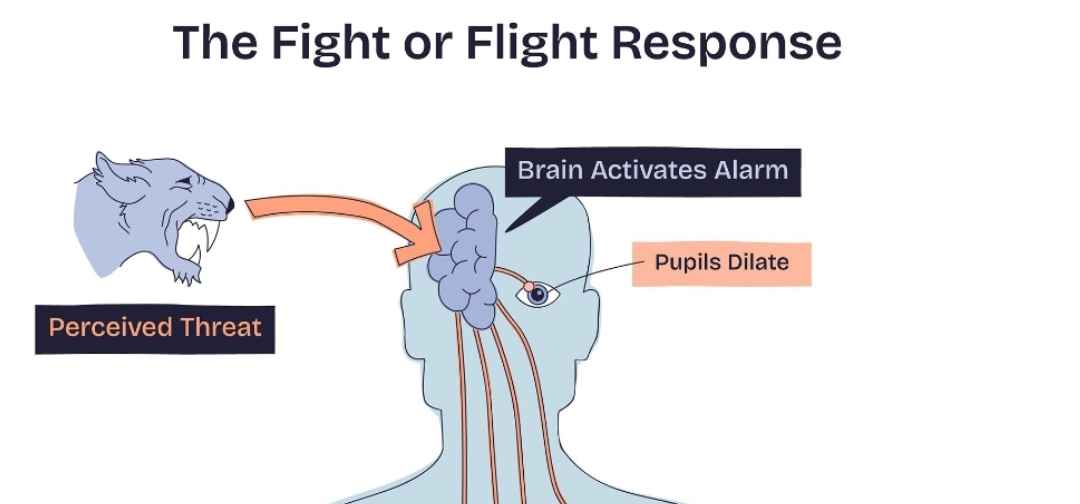
Photo Credit: Ai
Fight or Flight mode
We often speak of the "village" it takes to raise a child, but in many modern social media circles, that village has turned into a mob. Recently, a story circulated about a four-year-old girl displaying clear signs of Obsessive-Compulsive Disorder (OCD) traits: she refused leftovers, wouldn't share utensils with family, and entered a state of high distress—sometimes resulting in schoolyard altercations—when she felt others were close enough to "spray" saliva on her while talking.
The digital response was swift, certain, and chillingly archaic. The top advice? **Starve her.** The logic presented was that hunger would eventually break her "stubbornness" and force her to cave to social norms.
This isn't just outdated advice; it is a form of structural violence masquerading as "discipline." If we are truly committed to restoring our communities as safe, healthy spaces, we must dismantle the idea that the only response to a child’s discomfort is a display of power.
Understanding the "Why" Behind the "No"
When a four-year-old reacts violently to someone speaking too close to her, she isn't "being bad." To her, the sensation of potential contamination isn't a preference; it’s a perceived threat. In the mind of a child with OCD or sensory processing sensitivities, a drop of saliva or a shared spoon can trigger a genuine "fight or flight" response.
When we respond to this fear with further trauma—like withholding food—we aren't teaching the child "manners." We are teaching them that their biological caregivers are not safe, and that their internal reality is a lie. This creates a foundation of anxiety that can last a lifetime.
The African Punitive Approach: A Legacy of Harm
In many African households and communities, there is a deeply ingrained belief that "character" is forged through hardship and that non-conformity must be beaten or starved out of a child. This approach assumes that every child is a standard block of wood to be carved into a specific shape.
However, "normal" is a moving target.
The Subjectivity of Cleanliness: There are families where high-level cleanliness is the baseline. To them, a "regular" household might look like a dump.
The Goal of the Home: A home shouldn't be a factory for producing identical citizens; it should be a sanctuary. The metric of a successful home isn't how well the children "obey," but how safe and healthy the environment is for every individual living in it.
Shifting the Paradigm: From Punishment to Engagement
If we want to help a child "fit in," we must first help them feel secure. This requires a transition from a punitive mindset to a collaborative one:
1. Acknowledge the Individual: Respect the child as a person with a unique neurological makeup. Their "quirks" are often survival mechanisms for a world that feels overwhelming.
2. Engagement Over Force: Instead of starving a child into eating leftovers, we should investigate *why* the leftovers are scary. Is it the texture? The fear of bacteria? When we understand the root, we can provide tools (like airtight containers or education on food safety) rather than threats.
3. Redefining "Normal": We must stop defining "normal" based on our own comfort zones. If a child needs their own set of utensils to feel safe enough to eat, what is the harm? Forcing a shared spoon doesn't build "community"—it builds resentment.
Conclusion: Restoring the Family Unit
Restoring the family unit begins with empathy. A child who struggles with OCD traits isn't a problem to be solved; they are a human to be understood. When we replace violence with curiosity and punishment with support, we create a generation that doesn't just "fit in" because they are afraid, but because they feel valued.
Our communities will only become safe spaces when we stop viewing a child’s neurodivergence as a challenge to our authority and start seeing it as a call for our compassion.
- Health
- Leadership
- Peace & Security
- Human Rights
- Disability Justice
- Caring for Ourselves
- Global