
The Origins of Human Rights: A Religious Perspective. part :1
Dec 29, 2024
story
Seeking
Feedback


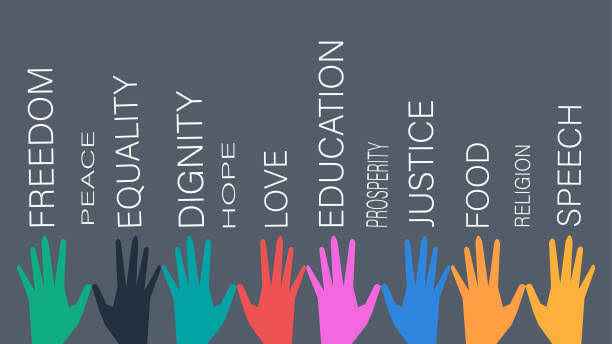
Photo Credit: Google
Human rights
It’s a part of my study and also the thought came from my class room. My teacher said the religion is the origin of human rights. And i start about studying a lil bit. Hope it will help you all. I want to share my knowledge to you all.
The concept of human rights is often associated with modern legal frameworks, such as the Universal Declaration of Human Rights (UDHR) in 1948. However, the essence of human rights—the inherent dignity, equality, and rights of all living beings—can be traced back thousands of years through the teachings and messages of religious texts and traditions. Long before formal legal systems, religious philosophies laid the foundation for the protection of human rights for all creatures, emphasizing justice, compassion, and the sanctity of life.
Religion as the First Law of Human Rights
Religious teachings across various traditions inherently promote the idea of rights, equality, and responsibilities. These sacred texts and messages provided the earliest frameworks for the moral and ethical treatment of individuals, communities, and even non-human creatures.
1. Judaism and the Ten Commandments
The Torah, central to Judaism, emphasizes justice and equality. The Ten Commandments provided one of the earliest moral codes, focusing on respect for life, family, and community. The principle of "loving your neighbor as yourself" (Leviticus 19:18) underpins the idea of mutual respect and human dignity.
2. Islam and the Quran
Islam, through the Quran and the teachings of Prophet Muhammad (Sallalahu), established a comprehensive framework for human rights. The Quran emphasizes equality, the right to life, freedom of belief, and the rights of women and marginalized groups. The Farewell Sermon of Prophet Muhammad highlighted key human rights principles, including the prohibition of racism and the sanctity of life.
3. Christianity and the Golden Rule
Christianity promotes human rights through the teachings of Jesus Christ, who emphasized love, forgiveness, and compassion. The Golden Rule—"Do unto others as you would have them do unto you"—is a universal call for respect and equality.
4. Hinduism and the Concept of Dharma
In Hindu philosophy, the concept of Dharma (moral duty) ensures the well-being of all living beings. Texts like the Bhagavad Gita stress the importance of justice, compassion, and responsibility toward others.
5. Buddhism and Non-Violence
Buddhism advocates for the rights of all beings through principles like Ahimsa (non-violence) and compassion. The teachings of Gautama Buddha emphasize equality, freedom from suffering, and respect for all life forms.
6. Indigenous Beliefs and Harmony with Nature
Many indigenous traditions across the world emphasize the interconnectedness of all life. Rights are extended not only to humans but also to animals, plants, and the environment, recognizing the intrinsic value of all creation.
- Human Rights
- Education
- Stronger Together
- Spirit Awards
- South and Central Asia