
The Poverty Myth: Does farming mean poverty?
Jun 25, 2026
story
Seeking
Feedback


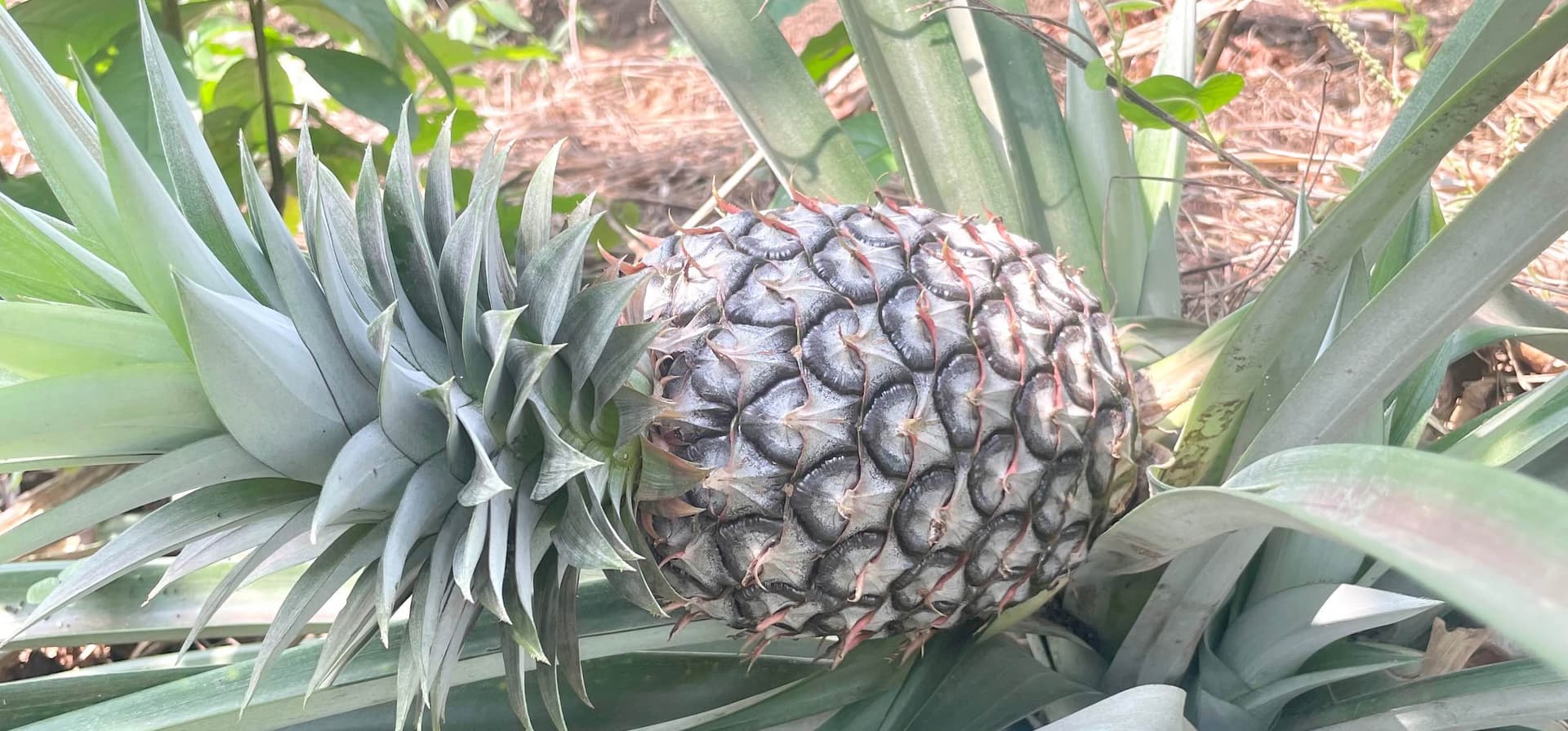
You introduce yourself as a farmer and what many people hear is, “I am poor.”
I do not blame young Nigerians for thinking this way. For many of us, that was the reality we grew up seeing.
I was raised in a farming family. My parents were farmers. Yet, growing up, farming was never presented as something to aspire to. It was what people did to survive. The farmers around us worked tirelessly, but few appeared wealthy. Farming put food on the table, but it did not seem to create prosperity.
Like many young Nigerians, I was taught that education was my pathway out. The expectation was clear: become a lawyer, a doctor, an engineer, or another respected professional. Farming was never mentioned as a destination. It was seen as the life we were trying to leave behind.
Even in school, many of us avoided Agricultural Science. We viewed it as a subject for a lifestyle we did not want. Looking back, I realize that we were never truly taught agriculture. We were taught how crops are planted and harvested, but not the bigger picture. We were not taught about food security, agricultural processing, value chains, agribusiness, branding, exports, innovation, or the immense economic opportunities within the sector.
As a child, I watched my parents farm. Yet, when forms asked for my parents' occupations, I often described my mother as an entrepreneur and my father as a farmer. Without realizing it, I had attached different levels of status to two roles that were equally important.
The truth is that I also ran from farming. When my siblings began to earn enough money, we relocated our father from the village because he would not stop farming despite our repeated requests. To us, farming represented hardship, and we wanted him to rest.
Five years after my father's passing, my siblings and I found ourselves returning to agriculture. Today, we have established a registered agricultural company and are gradually building our operations. The journey is still in its early stages, but it has given me a deeper appreciation of agriculture not merely as farming, but as an entire ecosystem of business, innovation, and opportunity.
What changed?
We began to see agriculture differently. We realized that farming is not just about planting and harvesting. Agriculture is an entire ecosystem. It includes processing, logistics, technology, packaging, intellectual property, distribution, exports, and food security. The wealth is not only in producing food but also in everything that happens before and after production.
Perhaps the problem was never agriculture itself. Perhaps the problem was that many of us were never shown its full potential. We were shown the labour, but not the opportunities. We saw the farm, but not the businesses built around it. We saw the struggle of production, but not the wealth that can be created through processing, branding, logistics, technology, and trade.
Part of the misconception comes from the fact that many people only see one segment of the agricultural value chain: the farmer. We see the individual who tills the soil, plants the crops, and harvests the produce. We see the person who cleans the pens, feeds the livestock, or tends the poultry. What we often fail to notice are the numerous businesses that operate around that farmer and frequently earn more from the same agricultural products.
A bag of cassava harvested by a farmer may generate only a modest income. Yet once that cassava is processed into flour, packaged, branded, transported, marketed, and sold to consumers, its value increases significantly. The same is true for livestock and fisheries. A farmer may sell fish for a relatively small amount, yet when those same fish are smoked, packaged, branded, and exported to other countries, their value can increase substantially.
In many cases, those involved in processing, storage, distribution, marketing, and retail capture a larger share of the profit than those who produced the raw commodity.
For years, many of us judged agriculture by looking only at the beginning of the value chain. We measured its success by the condition of smallholder farmers while overlooking the processors, exporters, technology companies, equipment suppliers, logistics providers, and agribusiness investors whose livelihoods also depend on agriculture.
This limited perspective has influenced how young people view the sector. Agriculture was often presented as nothing more than manual labour under the sun. It is therefore not surprising that many educated young people seek opportunities elsewhere. Yet modern agriculture requires lawyers, accountants, engineers, data analysts, scientists, marketers, software developers, financiers, and entrepreneurs.
Agriculture is not merely a profession; it is an ecosystem that creates opportunities for people with diverse skills, interests, and expertise.
Nigeria's growing population and increasing demand for food make agriculture more important than ever. Food security is not simply a rural issue; it is a national economic priority.
Every meal consumed in our towns and cities begins with the work of someone within the agricultural sector. Perhaps one reason many young Nigerians have turned away from agriculture is that we have spent decades celebrating the products we consume while paying little attention to the systems that produce them. We enjoy the benefits of agriculture every day, yet rarely recognise the vast opportunities that exist within it.
If we want more young people to embrace agriculture, we must stop presenting it as a last resort. We must teach it as an industry, a business, and a driver of national development.
I do not claim to have all the answers. My family and I are still learning, still building, and still navigating the realities of agriculture. But one thing has changed; I no longer see farming as a symbol of poverty, and I am no longer ashamed to say that I come from a family of farmers.
Today, I see agriculture as an industry filled with opportunity for those willing to look beyond the stereotypes and recognize its true value.
Maybe the question is not whether farming means poverty. Maybe the real question is why we have spent so long teaching young people to look away from one of our greatest opportunities and one of our most valuable resources.
- Technology
- Economic Power
- Environment
- Youth
- Food Security
- Global