
“The shame that wasn’t ours”
Oct 27, 2025
story
Seeking
Encouragement


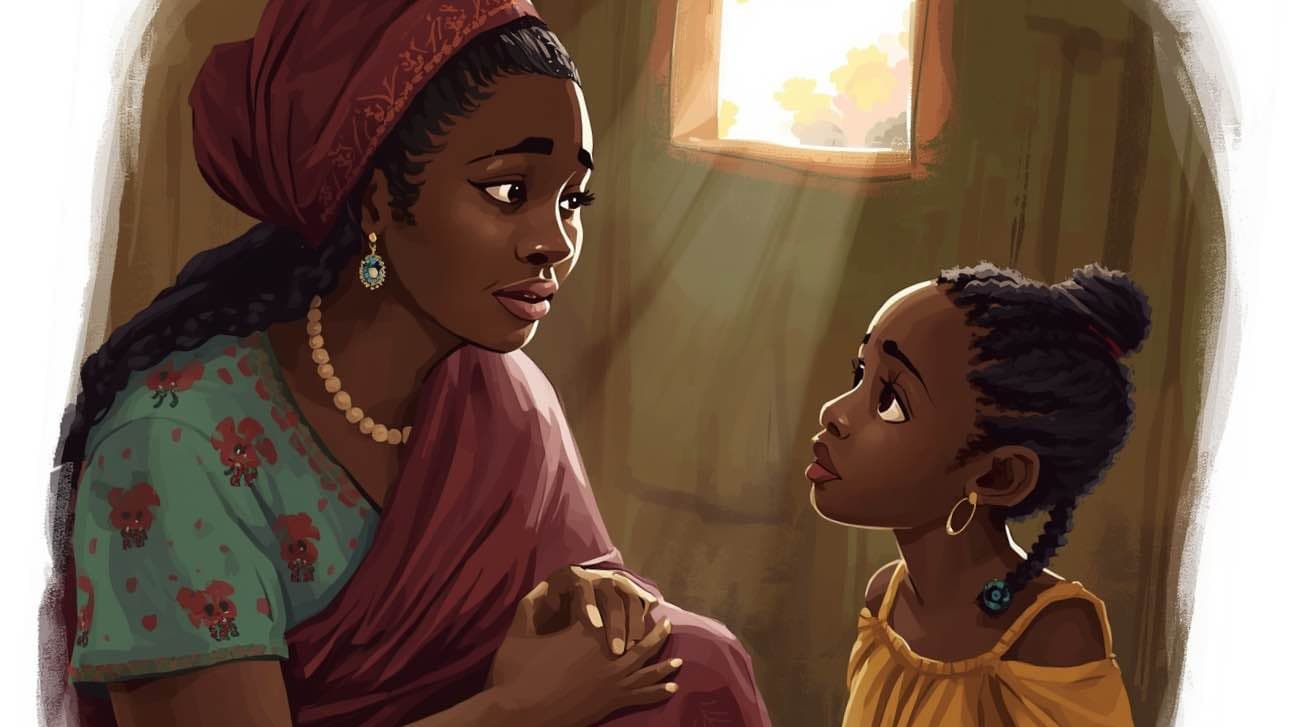
Photo Credit: Ai generated by Ekwopi
. “The burden was never ours. Healing begins when we return shame to its rightful place.”
I grew up in a community where the word rape was whispered, never spoken out loud. It was the kind of thing people said behind closed doors, with lowered voices and disapproving looks—not at the abuser, but at the girl. If something terrible happened, the first question was never “What did he do to you?” It was “Where were you? What were you wearing? Why were you alone?”
Somewhere along the line, I started to believe that shame belonged to us that if something happened, it would be our fault
Growing up, I saw how that shame shaped the way girls carried themselves. We learned to shrink in our voices, in our clothes, even in our dreams. We learned to move carefully, to avoid being “noticed too much.” It wasn’t just about staying safe; it was about staying acceptable
What I didn’t realize then was that this lesson wasn’t coming from strangers. It was coming from home. Our parents , especially our mothers repeated the same words they had once heard from theirs. Not because they didn’t love us, but because they believed it was the only way to protect us.
I remember my mother saying, “A girl must guard herself. Don’t stay too long outside. Don’t sit too close to boys. Don’t bring shame to this house.” Those words came from a place of care, but also from fear. In their world, a girl’s safety depended on silence and caution not on justice or accountability.
And when the unthinkable happened , when a girl was raped — the first instinct wasn’t to seek help. It was to hide it. Parents would whisper, “No one should hear of this. If people know, they will call you the girl who has been raped. No responsible man will ever marry you.”
So she stayed quiet. Even in her pain, she learned to protect the family’s name before her own healing.
That silence broke something deep inside us. It taught us that our value was tied to how untouched we were, not to who we were. That if someone violated us, we were the ones who became unworthy. And so, generation after generation, the cycle continued . mothers teaching their daughters to hide, daughters growing into women who carried invisible wounds
Even now, in many rural communities, those same lessons echo. The warnings, the fear, the need to appear “clean.” And I often think what if, instead of teaching our girls to be quiet, we taught them to speak? What if we told them that their worth doesn’t disappear because someone hurt them?
The hardest part is how normal it all feels to many of us. We’ve heard those phrases so often that they became part of our language: “She brought it on herself.” “She’s damaged.” “She’ll never find a husband.” Words that scar deeper than any wound.
It took me years to unlearn that. To realize that shame had been misplaced that we had been raised to carry the weight of other people’s sins. As I grew older and stepped into my professional life, working with survivors, I saw how that same silence still lingered. Grown women, powerful women, still afraid to speak of what happened to them as girls.
And each time, I remind them gently: You have nothing to be ashamed of. You survived what was done to you. The shame belongs to the abuser, not to you.
Healing begins there in those small, honest conversations where truth replaces silence. I’ve learned that awareness isn’t just about teaching laws or policies; it’s about changing hearts, one story at a time. It’s about mothers teaching their daughters that their worth isn’t tied to what someone took from them. It’s about fathers raising sons who understand consent and respect. It’s about communities creating space for survivors to be seen without judgment.
We can’t undo the past, but we can refuse to pass this shame forward. We can talk about rape without whispering. We can hold space for survivors without pity. We can teach our girls to lift their heads high not because nothing bad will ever happen, but because if it does, they’ll know it was never their fault.
That’s how we begin to heal by returning the shame to where it truly belongs, and reclaiming our voices, our bodies, and our power
Because now, I understand: the only way to heal this wound is to talk about it. To drag the shame into the light and give it back to where it belongs—not on the shoulders of the survivor, but on the conscience of the abuser and the systems that protect him
If you’ve ever been silenced, blamed, or told to hide your story, your voice matters here.
💬 Share your experiences: What were you taught about shame, and how has it shaped you?
leave an encouragement for victims/ survivors
#TheShameThatWasntOurs
#EndRapeCulture
#BreakTheSilence
#SurvivorVoices
#TheShameThatWasntOurs
#EndRapeCulture
#BreakTheSilence
#SurvivorVoices
- Girl Power
- Human Rights
- Gender-based Violence
- Sexual and Reproductive Rights
- Survivor Stories
- Global