
The Silent Battle of Post Parum Depression
Jun 8, 2025
story
Seeking
Visibility


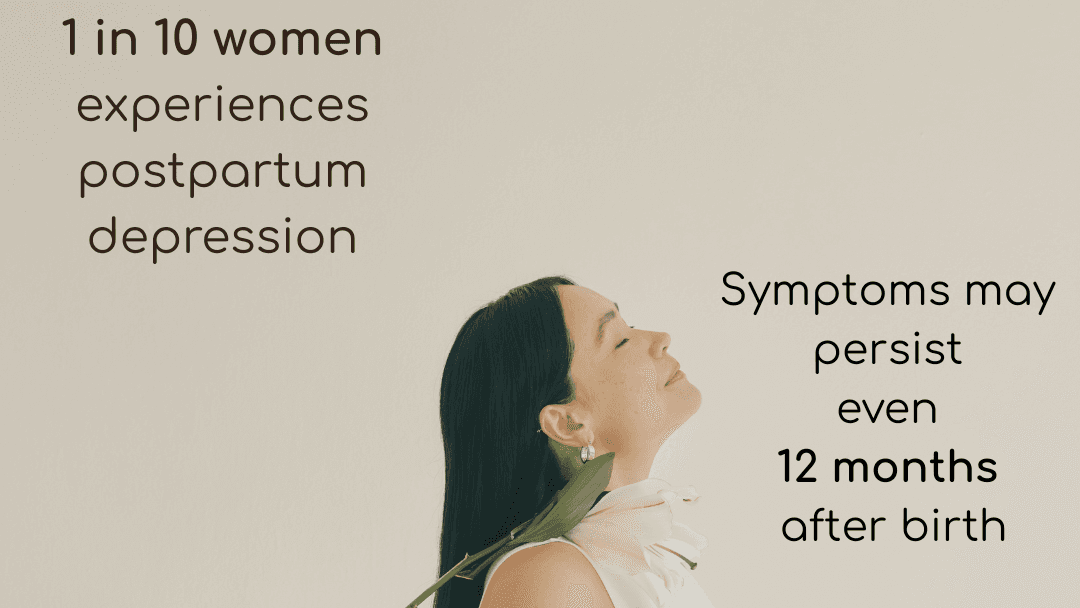
The truth is that when thinking of pregnancy, our narratives and generally the media representation, literature and our general human cognition focuses on the specific 9 month time frame within which a woman carries a child.
Tons of ads that present pregnancy as the most beautiful period of a woman's life, everyone congratulating the future mother, parents raising their children after birth with huge smiles on their faces.
Everyone looks so happy and healthy and women across different cultures dream of that very moment of bringing life into another human being and raising them as their own since very young. The perfect scenario and the perfect motherhood.
However, the reality of many women is far different, scarier and challenging. The reality of those women who grew up thinking that motherhood is going to be easy, who were not prepared about the possibility of a different outcome, different variations and unexpected feelings.
These women see their expected reality getting crashed in front of their eyes, experiencing a silent and unknown battle. that one of Post Parum Depression. These women should be heard, aknowledged, included and supported by the community, the health system, their surroundings and the research itself.
Medical Definition (DSM-5):
According to DSM-5 Postpartum depression is classified as a Major Depressive Episode with the peripartum onset — defined as the onset of depressive symptoms during pregnancy or within four weeks after delivery, though many experts and researchers extend this period up to 12 months postpartum due to the persistence of symptoms.
Symptoms may include: depressed mood, fatigue, guilt, sleep disturbance, appetite change, inability to bond with the baby, suicidal ideation, and feelings of worthlessness.
Postpartum depression is quite often neglected, understudied, yet very dangerous, even fatal. However, with:
- more accurate screening tools
- self-educating
- media representation
- strong support systems
- de-stigmatization
We can reduce the suffering of many women and even save lives, starting with something as simple as raising awareness.
Kindly note, that this specific story poses the purpose of an assignment of mine within the platform and features parts of a personal essay of mine with more detailed descriptions and cross cultural studies involved.
If you are interested in reading the whole essay, don't hesitate to contact me and also correct or/and give me your personal insights and statistics about Post Parum Depression.
Kind Regards, Eleni.
- Peace & Security
- Education
- Health
- Sexual and Reproductive Rights
- Our Impact
- Stronger Together
- Training - Basic Digital Skills
- Global