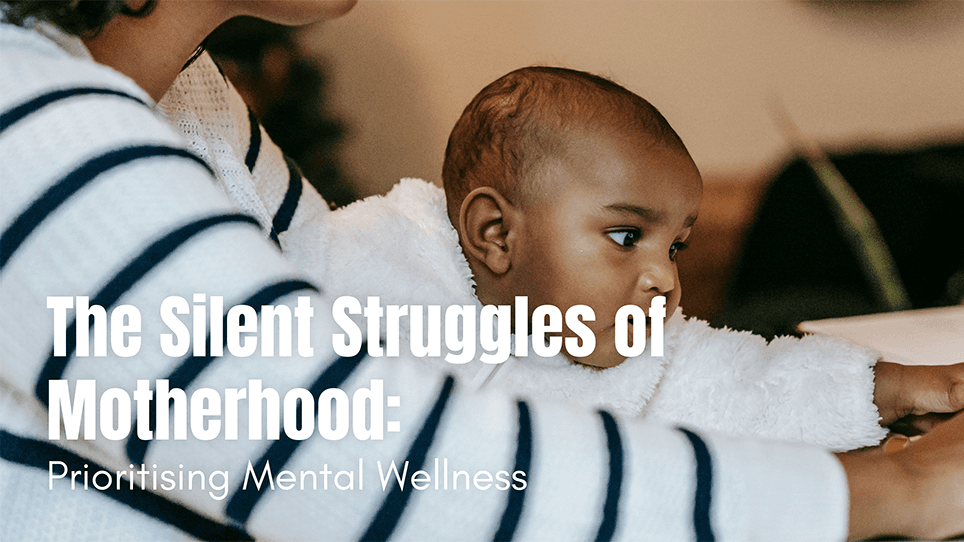
Motherhood is often celebrated as one of life's most rewarding experiences. Yet, behind the smiles and cherished moments, there lies a spectrum of silent struggles that many mothers face. Prioritising mental wellness is crucial, particularly in addressing postpartum depression, burnout, and the unique challenges faced by immigrant mothers.
Understanding Postpartum Depression
Postpartum depression (PPD) affects approximately 1 in 7 women, but it often goes undiagnosed due to social stigma and a lack of awareness. Unlike the "baby blues"—a short period of mood swings and emotional vulnerability shortly after childbirth—PPD is a more severe, long-lasting condition. Symptoms can include deep sadness, anxiety, irritability, and changes in sleep patterns, making it difficult for new mothers to connect with their infants. According to the World Health Organisation, if a woman has had PPD before, her risk increases by 30% with each subsequent pregnancy. Worldwide, about 10% of pregnant women and 13% of women who have just given birth experience a mental disorder, primarily depression.
Prioritising mental wellness involves recognising these symptoms early and seeking professional help. Therapy, support groups, and sometimes medication can significantly alleviate the burden of PPD. Encouraging open conversations about mental health in maternal healthcare settings is also key to breaking down stigmas and providing the necessary support.
Combating Burnout in Motherhood
Motherhood demands a relentless effort—nurturing, managing household responsibilities, and sometimes balancing a career. It's no surprise that many mothers experience burnout, a state of chronic physical and emotional exhaustion.
To effectively recover from burnout, mothers need to carve out time for self-care without guilt. This could mean delegating tasks, simplifying routines, or setting boundaries to ensure downtime. Workplaces also play a critical role by offering flexible hours or parental leave, which can help ease the pressure on working mothers.
The Journey of Immigrant Mothers
For immigrant mothers, the journey of motherhood is intertwined with additional challenges. Navigating a new culture, language barriers, and often a lack of familial support can exacerbate feelings of isolation and stress. Access to culturally competent mental health services is crucial for immigrant mothers to feel understood and supported.
Community organisations can provide vital networks where immigrant mothers share experiences and resources. Moreover, policies that promote inclusivity and language support in healthcare can make a significant difference in these mothers' mental well-being.
Taking Action for Mental Wellness
Recognising and addressing these silent struggles is a collective responsibility. Family, friends, and partners should offer support and understanding, while communities and healthcare systems need to provide accessible resources for mental wellness.
1. Encourage mothers to speak openly about their struggles without fear of judgment.
2. Advocate for more comprehensive maternal mental health screenings.
3. Support policies that ensure all mothers, regardless of their background, have access to mental wellness resources.
Ultimately, prioritising the mental wellness of mothers not only benefits them but also contributes to healthier families and communities. By shedding light on these silent struggles, we can foster a society that values and supports the well-being of all mothers.