
The Stories We Tell: Media, Mental Health, and the Path to Gender Equality
Aug 10, 2025
story
Seeking
Collaboration
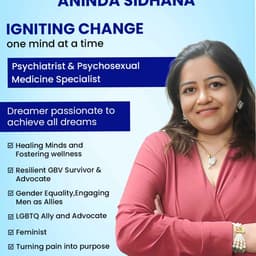

As a psychiatrist, I have dedicated my career to understanding how the stories we tell ourselves shape our mental health. But it is not just our personal stories that matter; the narratives woven by the media have a profound, and often subtle, impact on our collective psyche and our individual sense of self. When we talk about gender equality, we must also talk about media representation, because the images and stories we consume are a powerful force in either perpetuating or dismantling inequality.
The Power of Portrayal
Media portrayal is more than just entertainment; it is a reflection and a shaper of our societal norms. For generations, media has often presented a limited and stereotypical view of gender roles. Women are frequently depicted in roles that are passive, emotionally driven, or subordinate, while men are often shown as stoic, aggressive, and solely focused on power. These portrayals, while seemingly harmless, have a cumulative effect. They can become "problem-saturated narratives" in our collective consciousness, a term we use in narrative therapy to describe a dominant story that limits a person’s potential.
This narrow lens of representation can have significant mental health consequences:
* For women and girls: It can lead to body image issues, a sense of low self-worth, and a feeling that their ambitions are limited to the roles they see on screen. It can reinforce the pressure to be a caretaker, a perfect spouse, or a decorative figure.
* For men and boys: It creates a rigid definition of masculinity that discourages emotional expression, vulnerability, and seeking help for mental health challenges. This “tough guy” narrative contributes to higher rates of suicide, substance abuse, and unaddressed emotional distress among men.
Media as a Tool for Empowerment
The good news is that the narrative is changing, and media has the potential to be a powerful force for good. We are seeing a new wave of storytelling that challenges old stereotypes and embraces a more nuanced and diverse portrayal of gender.
* Complex Female Protagonists: From women leading in politics and science to those who are flawed, messy, and authentically human, these new stories provide a more realistic and empowering vision for women and girls. These characters offer a chance to rewrite our internalized narratives, showing that our potential is not defined by outdated social expectations.
* Redefining Masculinity: Increasingly, media is showcasing male characters who are emotionally intelligent, who prioritize family, and who are strong not in their aggression, but in their empathy. These portrayals give men and boys permission to break free from the restrictive "man box" and embrace a more complete and healthy sense of self.
* The Power of Lived Experience: Platforms like Substack and Worldpulse are vital in this shift. They bypass traditional media gatekeepers, giving a voice to a diverse range of creators who can share their lived experiences directly. This is where narrative building truly happens—from the ground up. By sharing our stories, we create a more transparent and credible narrative of what gender equality actually looks like, in all its forms and challenges.
Building a New Narrative
Achieving gender equality requires us to be mindful of the stories we consume and the stories we create. It means demanding better representation from the media we support and actively seeking out content that broadens our perspective.
As a community, we must become "co-authors" of a new, healthier narrative—one where all genders are portrayed with complexity, dignity, and respect. When we change the stories we tell, we change the way we think, the way we live, and ultimately, the world we
build together.
- Gender-based Violence
- Human Rights
- Behind the Headlines
- Becoming Me
- Global