
The Stream Is Not the Same: On Care, Climate, and What We've Lost
Jul 3, 2025
story
Seeking
Collaboration


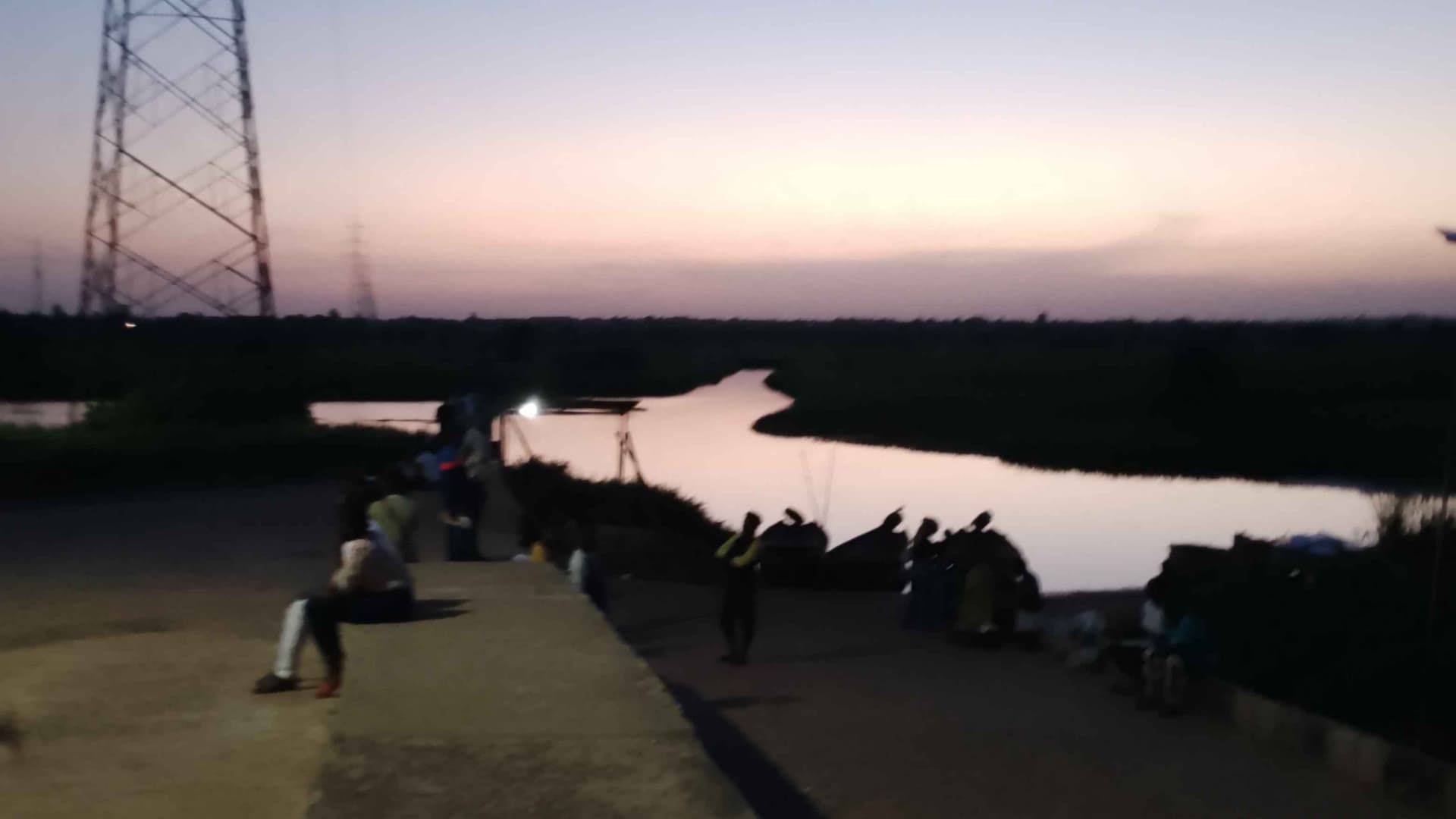
There’s a stream along the church I grew up in.
As a child, I remember it clearly, loud, lively, constantly flowing. People would come there to bathe, to wash, to fetch water, and sometimes, just to sit beside it and breathe.
It was more than a stream; it was a part of our rhythm.
But a few months ago, I passed that same place again.
And I was stunned.
The stream is still there… but it’s not the same.
What used to be fresh green grass is now just dry earth and scattered rocks. The water barely moves. And the energy it once carried? Gone.
My Dad used to cut trees for a living
This is the part many people don’t talk about.
My father’s work is plank business ( timber). Trees are cut, processed into planks,used for building houses, made into chairs, beds, furniture. That’s how he provided for us. That’s how many families survive. There’s nothing evil in it — it’s work. It’s tradition. It’s livelihood.
But even as a child, I remember seeing trucks of freshly cut wood and wondering, Will the trees grow back fast enough?
Now I know better. And I still don’t have all the answers. But what I do know is this;
The land remembers everything.
Care isn't always gentle,
We talk about care like it’s something soft ! like resting, or journaling, or taking bubble baths. And yes, those things matter.
But sometimes, care means telling hard truths.
It means naming what we’re losing and daring to ask why.
It means looking at our traditions, our businesses, our survival tactics, and asking, Is this sustainable? Is this right?
Because that stream along my church didn’t just dry up by accident.
The land is changing because we’ve changed it.
And we cannot keep saying “God will take care of it” while we keep taking and never giving back.
Just so you know,
Caring for ourselves without caring for the land is short-sighted.
Caring for the land without examining our own choices is performative.
If we’re going to talk about healing (personal or environmental) we must talk about responsibility.
About tradition.
About survival and systems.
And about how our silence is part of the problem.
That stream meant something to my childhood.
Now, its disappearance means something to my future.
So What Now?
I don’t have a 10-step solution. But I’m starting with my voice. ( Because that's all I have for now)
I’m starting by paying attention — not just to global climate reports, but to the places I know.
The places I’ve walked barefoot. The places I’ve loved.
The stream is not the same.
And neither am I.
But the questions remain,
What are we losing?
What are we willing to protect?
And who will speak for the land when it can no longer speak for itself?
©Bolutife Asake
HerStoryTeller
- Environment
- Climate Change
- Africa