
The Thief of Purpose: How Procrastination Quietly Dismantles Our Lives
May 18, 2025
story
Seeking
Feedback


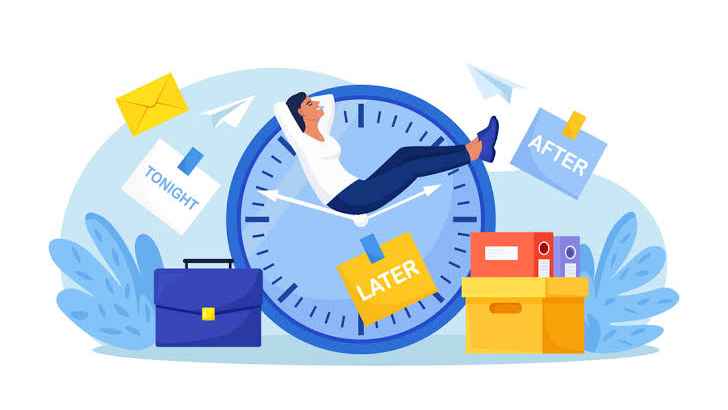
Photo Credit: Google
Procrastination is often painted as a harmless habit, the tendency to delay a task here and there, put off a phone call, or scroll endlessly on social media instead of finishing a report. We joke about it. We make memes, and we even brag about them in our resumes. We say things like “I work better under pressure” or “I’ll start tomorrow.” But behind the laughter, for many women worldwide, including me, procrastination isn’t just a time management issue: it’s a thief. A slow, quiet thief that robs us of purpose, peace, progress, and even in many cases, our sense of self-worth.
I’ve come to understand that procrastination isn’t a sign of laziness. More often, it’s rooted in fear, past trauma, perfectionism, low self-worth, or sheer exhaustion. It wears the mask of comfort, but in truth, it breeds chaos, affecting us emotionally, mentally, spiritually, and even physically.
When procrastinating, we often invite guilt and shame into our inner world. We know what we should be doing: writing that proposal, making that call, completing that application, organizing that room, reading that book, but we avoid it. And every time we do, we chip away at our confidence.
A simple delay turns into days, weeks, months, and years of emotional turmoil. We criticize ourselves for not being “disciplined enough.” We feel behind. We compare ourselves to others who seem to “have it all together.” And gradually, we start believing we are not capable. The emotional burden becomes heavy, not because the task is hard, but because we’ve created a storm of negative thoughts around it.
Procrastination clutters our minds. When we put things off, they don’t disappear, they simply pile up. Our mental load becomes overwhelming. Our brains become a crowded room full of unfinished tasks, unanswered emails, missed opportunities, and forgotten dreams.
This constant mental noise affects our ability to focus. It leads to decision fatigue. We start avoiding not just tasks, but decisions, conversations, and even our goals. And this avoidance doesn’t free us, rather, it cages us in a cycle of mental chaos that keeps spinning.
Believe it or not, procrastination can affect our bodies, too. Stress from constantly postponing important responsibilities can lead to sleep problems, headaches, fatigue, and even chronic anxiety. Our nervous system remains in a state of unease, and our health begins to deteriorate too, slowly but surely.
Financially, procrastination can cost us jobs, delay promotions, make us miss out on business opportunities, or even cause us to neglect important paperwork like bills, contracts, or grants. It whispers lies like “you have time,” but before we know it, deadlines have passed, and doors have closed.
Procrastination doesn’t stay confined to work or school tasks. It bleeds into relationships, too. We delay important conversations, avoid addressing issues, postpone apologies, or withhold words of love or appreciation. In doing so, we allow distance to grow.
Spiritually, procrastination keeps us from prayer, reflection, or reconnecting with God or our inner selves. We keep saying we’ll make time for devotion, for healing, for growth, but somehow, something else always comes first. The result? We feel disconnected and dry inside.
Having an understanding of why we procrastinate is key to healing from it. Here are a few hidden causes of procrastination:
- Fear of failure: We delay tasks because we fear we won’t succeed.
- Perfectionism: If it can’t be done perfectly, we’d rather not do it at all.
- Overwhelm: The task feels too big, so we avoid it.
- Lack of boundaries: We say yes to everything and leave no room for what matters.
- Unhealed trauma: Procrastination can be a coping mechanism for unresolved emotional pain.
Healing from procrastination is possible, there is hope. It first starts with self-compassion: we cannot shame ourselves into transformation. Instead, we must become gentle with ourselves, not to justify delay, but to create a safe space for action.
Sometimes, all we need is just a tiny start.
- Write just one sentence from that article.
- Read just a chapter of that book.
- Open the email, even if you don’t respond yet.
- Set a timer for 10 minutes and begin.
- Break the task into simple and smaller steps.
Movement creates momentum, and momentum can break the chain of delay.
On World Pulse, we are more than women with voices, we are women with stories, strength, and purpose. Let’s create safe spaces where we don’t just talk about our dreams, but where we lovingly hold each other accountable to pursue them.
Imagine a world where women encourage each other not just to dream, but to start, no matter how small. A world where we replace judgment with grace and competition with support. We check in on each other’s goals, not to compare, but to cheer each other on. We are stronger together.
To that girl, sister, daughter, or mother reading this right now. Have you been putting something off? A book? A course? A healing journey? A difficult conversation? A step of faith?
Maybe you’ve told yourself that you’re just waiting for the right time, when the kids are grown, when work gets lighter, when you feel “ready.” But the truth is, there’s rarely a perfect time. The only time we have is now, and even a tiny step today counts a lot.
Start small, but just start. Open that notebook, write the first line, make the call, send the email, pray the prayer, clean the drawer, register for the course, speak your truth, take a breath, and begin again.
You don’t have to do it alone.
World Pulse is not just a platform, it’s a “village” of women who understand. Women who rise together, women who fall and get back up, together. Join hands with other sisters who are breaking the cycle of delay and walking into purpose.
If procrastination is deeply affecting your mental or emotional well-being, don’t be afraid to seek support. Talk to a coach, therapist, mentor, or spiritual guide. Sometimes, procrastination is the symptom, and healing begins when we face the root cause.
You are not lazy, you are worthy, you are capable. Your dreams are still valid, no matter how long they’ve been waiting.
Let today be your Day One, not One Day.
- Health
- Girl Power
- Moments of Hope
- Stronger Together
- Becoming Me
- Global