
The Urgency of Legal Protection: Ending Violence Against Women in Libya
Nov 29, 2023
story
Seeking
Feedback

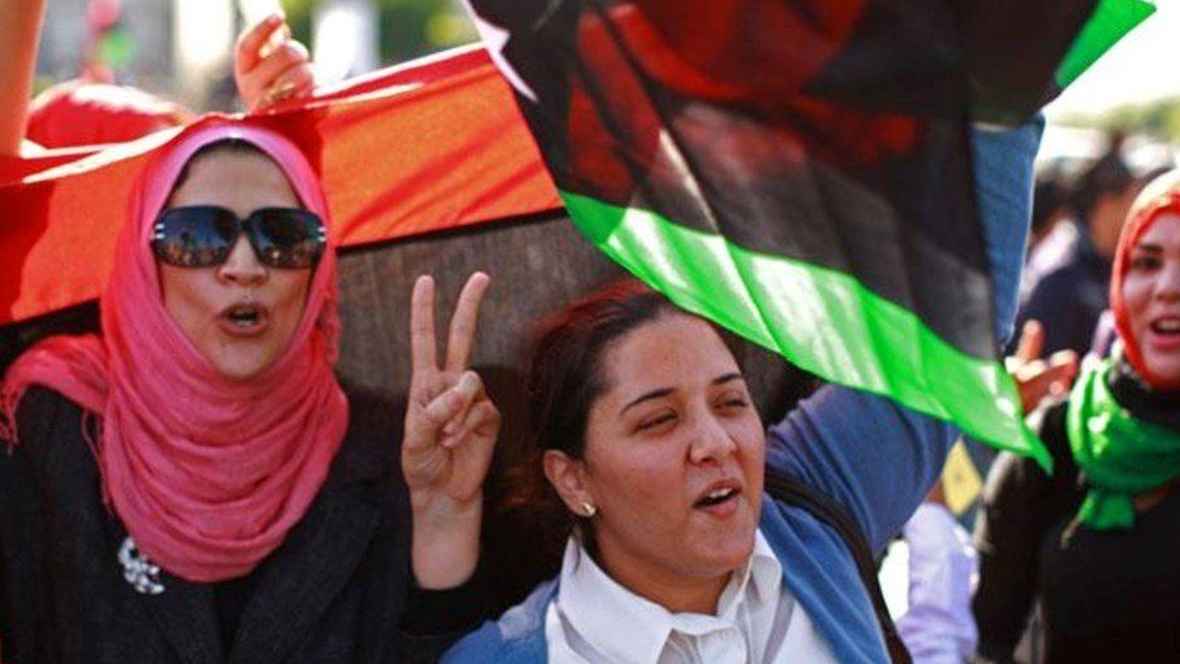
In the tapestry of human rights, the absence of specific legal provisions to combat violence against women in Libya is a stark reality. As the nation grapples with the aftermath of political upheaval, women find themselves at the intersection of vulnerability and neglect. While a draft addressing this issue languishes in the corridors of power, the urgent need to safeguard the rights and dignity of Libyan women cannot be overstated.
The Legal Void:
In Libya, the lack of explicit legislation addressing violence against women perpetuates a disconcerting silence on a critical issue. The absence of a dedicated legal framework not only undermines the pursuit of justice but also contributes to a culture of impunity for perpetrators. Women across the nation face multifaceted forms of violence, from domestic abuse to systemic discrimination, without a clear legal recourse.
Stories of Resilience:
Behind the statistics and legal jargon lie the poignant stories of women like Leila, a survivor of gender-based violence. Her journey, marked by pain and resilience, mirrors the silent struggles of countless others: "For too long, we have lived in the shadows of violence, with no legal shield to protect us. It's time for our stories to be heard, and for the law to recognize the magnitude of our suffering."
Such narratives underscore the pressing need for legal reforms that not only acknowledge the existence of gender-based violence but also provide survivors with the tools to seek justice and healing.
Quotes that Echo:
Internationally renowned figures in the fight for human rights emphasize the pivotal role of legal structures in shaping societal norms.
Renowned lawyer and former UN High Commissioner for Human Rights, Navi Pillay, asserts, "The absence of laws specifically addressing violence against women is not just a legal gap; it is a moral chasm. It is the responsibility of every nation to ensure that its legal framework reflects a commitment to the protection of all its citizens, regardless of gender."
Nobel Peace Prize laureate Malala Yousafzai echoes this sentiment: "The power of change lies in our laws. By enacting legislation that safeguards women from violence, Libya has an opportunity to rewrite its future—a future where the rights of women are non-negotiable."
The Draft: A Ray of Hope:
Within the chambers of the Libyan House of Representatives lies a draft law awaiting approval—a potential catalyst for change. This proposed legislation comprehensively addresses violence against women, delineating clear definitions of offenses, outlining punitive measures, and establishing support systems for survivors. Its passage would signify a transformative moment in Libya's commitment to gender equality and human rights.
Professional and Emotional Appeal:
In urging the approval of this draft, it is imperative to recognize that the call for legal reform is not a mere technicality but a plea for justice and empathy. It is an acknowledgment of the intrinsic value of every woman's life and a collective commitment to creating a society where violence has no refuge.
As Libya navigates the delicate terrain of post-revolutionary reconstruction, the urgency of enacting laws against violence targeting women cannot be overstated. The stories of resilience and the wisdom encapsulated in poignant quotes from advocates demand not just legal attention but a societal reckoning. The draft law awaiting approval is more than legislation; it is a symbol of Libya's commitment to fostering an environment where the rights of women are safeguarded, and justice prevails. The time to act is now, for in the enactment of these laws lies the promise of a more equitable and just future for the women of Libya.
- Peace & Security
- 16 Days
- Africa