
The Weight of Knowing You’re Wrong
Oct 17, 2025
story
Seeking
Connections
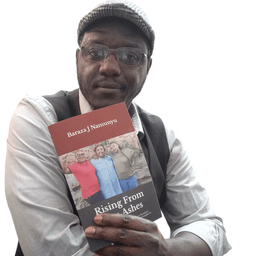


Photo Credit: Baraza J Namunyu (Balozi Baraza)
The Weight of Knowing You’re Wrong
There’s an African proverb that says, “Foolishness is knowing that you are wrong and choosing to add insult to injury you had caused.”
That one hits deep. It’s not about ignorance — it’s about awareness without accountability. We’ve all been there: moments when pride whispers louder than humility, when defending our ego feels easier than admitting fault. Yet those moments often cost us more than we realize — trust, respect, peace of mind, and even our own emotional balance.
In the workplace and beyond, self-awareness is a leadership superpower. It’s what separates the wise from the merely clever. When we know we’ve caused harm — through a harsh comment, a poor decision, or neglecting someone’s effort — the true test of maturity is not how we justify it, but how we repair it.
In mental health terms, this speaks directly to emotional intelligence and psychological safety. Teams thrive where people can admit mistakes without shame. Relationships strengthen when we can say, “I was wrong,” and mean it. And personally, healing begins when we stop adding insult — self-blame, guilt, denial — to the injury within ourselves.
Professionally, this translates into leadership humility — the quiet courage to apologize, to listen, and to learn. It’s in that space that growth happens. Because when we face our errors honestly, we turn regret into reflection, and reflection into resilience.
So next time your instinct is to defend your wrongs, pause. The wiser choice may be to embrace vulnerability and restore what pride tries to protect. It’s not weakness — it’s strength refined through self-awareness.
Inspired? Let’s talk 👇
Follow @Baraza for more inspiring, thought-provoking content worth sharing
#alwaysonthelookout
- Our Impact
- Global