
The"Secret week”- Dealing with Menstruation myths
May 31, 2022
story
Seeking
Action
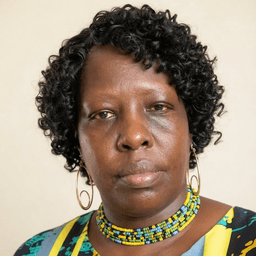
One woman shared her experience on menstruation.
“On this particular day when I was 16 years old, I was left alone with my father as my mother traveled for her trade in the next town for 2 days. It was when I saw my first menstrual period. This came with some pains which put me in bed. Nobody had spoken to me about menstruation and what to do when it came. I told my father that I saw blood in my pant and I don’t know why. In panic my father not knowing what to do called my mother to return home at once since I was not well. I had to wait until my mother returned late that day. In panic, when she arrived she asked me what is the matter. I told her I was passing blood and my pant was soiled and a painful abdomen. To my surprise, my mother’s reaction left me confused. She shrugged and asked “Is that why you had to call me back for a mere??” . This is how trivial menstruation and secret it’s taken in our communities.
In fact, to hear someone say the word “menstruation” still causes shudders of embarrassment. It is often taboo for a woman to let anyone know that she is menstruating, or to participate in community life.
They call it all sort of names:
* In parts of Africa they call it “secret week” due to the secrecy, privacy, sacredness and stigma surrounding it.
* In my community, they call it “monthly sickness’ because its seen every month by the women and girls. Menstruation is considered a disease and not a normal biological process.
* It is referred to as a “curse’ making then isolate women and girls from society because they are seen as unclean, dangerous, or bringing bad luck to those who encounter them.
* In many countries around the world, it’s often considered embarrassing or shameful.
* Women also refer to periods as “on the rag” and “Bloody Mary”.
* It it also considered ‘Sacred and powerful’ as menstruating women have also been believed to be dangerous.
*Yet girls and women express embarrassment and shame they suffer when it’s the period. We need to make it easier to talk about something that is part of everyday life,”
Let’s work towards a period-shame-free society
Period-shame is rooted in gender inequality. Cultural and religious traditions around periods are often derived from discriminatory, patriarchal norms about a girl’s status and place in society. As a result, girls and women are often expected to refrain from normal activities, such as bathing or cooking and may even be banished from the home during their period. These restrictions and negative attitudes towards menstruation affect girls’ and women’s self-esteem.
By improving menstrual health and tackling period-shame we can improve girls’ attendance and performance at school; break down taboos and misconceptions around menstruation; raise girls’ self-esteem and enable girls to fully participate in all aspects of society.
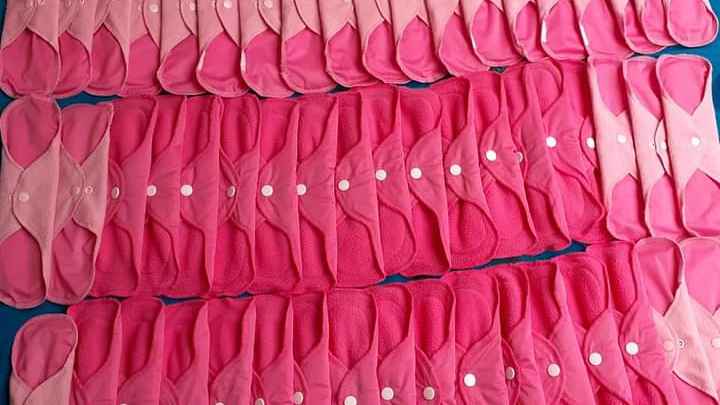
Period poverty is overwhelming in Africa. Women and girls either don’t have access to menstrual products and water, sanitation and good hygiene facilities, or in the rare scenarios where they do, they don’t have any way of disposing menstrual waste. In karamoja, we still have girls and women isolate themselves in the bush sitting on the sand during their periods. In Ugandan communities, its still common to use a cloth torn from the traditional wrap and worn, part tied around the waist and part looped under the crotch, to catch menstrual fluid.
Menarche (the first menstrual cycle of a girl at puberty) is traditionally treated as a sign that the girl is ready for sex and marriage, as well as for adult duties in the household in some societies. The first menstruation of a girl brings celebration in some communities (South Sudan) .Initiation rites on menarche include instruction on sex and marital relations as well as on menstrual management. This is conducted by older women. It is taboo to talk about menstruation with men, or to learn from one's own mother.
Often girls I have spoken to have expressed fear, shame, distraction and confusion as feelings associated with menstruation. These feelings are largely linked to a sense of embarrassment, concerns about being stigmatized by fellow students and, friends. They have a perception that the onset of menstruation signals the advent of a girl's sexual status. Among the many methods for managing their periods, girls most frequently said they folded, bunched up or sewed cloth, including cloth from shirts or dresses, scraps of old cloth, or strips of an old blanket.
So as we commemorate Menstruation Hygiene day, lets help find solution for the girls and speak up
- Girl Power
- Technology
- Health
- Gender-based Violence
- Positive Masculinity
- Education
- Human Rights
- Salud menstrual
- Sexual and Reproductive Rights
- Stronger Together
- Spirit Awards
- Our Voices Rising
- Global