
UGANDA: Let’s Change the Game and Shift the Power Balance
Dec 12, 2024
story
Seeking
Action


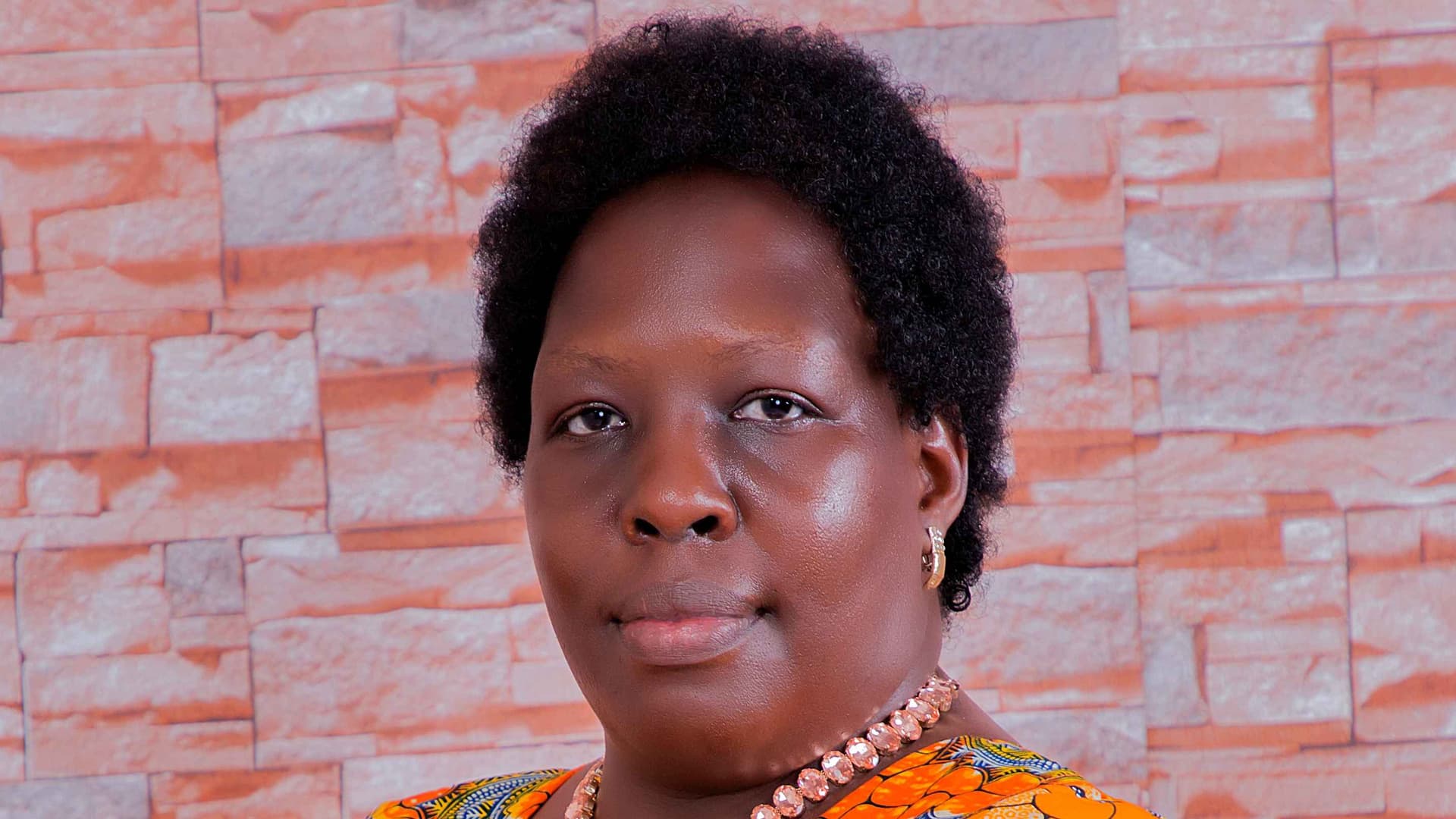
Photo Credit: Ikirimat
Ikirimat
Ikirimat says communities are challenging the status quo and shifting power dynamics to create lasting change from within.
Progress is only possible when people have access to knowledge, a voice in decision-making, and the agency to control their own lives.
Let’s be honest: Have we granted local communities, organizations, and individuals a say in shaping and implementing projects that directly impact their lives? This is the foundation of the “Shift the Power” movement.
Everyone seems to agree that the time has come for more ownership for the Global South and local leadership. But in reality, that’s easier said than done. What will it take for this call to be heard?
The realism today is that crises cut across the world, ranging from climate change to harmful cultural practices and gender injustice to economic inequities, and this has continued to create a harmful imbalance. In all these crises, women and children continue to be the most affected. Yet the people who are least affected by crises have the most significant say in how to solve them.
The end user barely has a say in the conversation and decisions regarding aid. International organizations and donors hold significant influence over development initiatives. It’s the reason we are calling for power to shift today.
Notably, grassroots leadership and local civil society networks are growing, with women at the helm and more agency for local communities to decide their future development pathways. To some extent, communities are taking control of how stakeholders engage with them. People are owning the processes — involved at every stage of every initiative — and also the results of their work.
I refer to one of many testimonies highlighting the impact that 26 women with disabilities from the Pajulu group in Arua, Uganda, have experienced. They have risen from exclusively depending on handouts from international organizations to today generating income for their families’ livelihoods. They say this was because they have been intellectually and economically empowered.
An initiative four women started, a Voluntary Saving and Loan Association, with nurturing and support, has grown their seed capital to 10m Uganda shillings and greatly improved lives.
Over the years, Uganda has seen the launch of several innovative initiatives aimed at achieving gender equality, some of which have been successful. These include efforts to economically empower women through skill-building, seed funding, and social norm changes within communities using Gender Transformative Approaches (GTAs) such as SASA! Together, a community mobilization strategy to prevent violence against women and interpersonal violence. The acronym stands for the four phases of the approach: Start, Awareness, Support, and Action.
After years of community transformation work, people are now taking ownership and responsibility and exercising their agency. This presents a valuable opportunity to shift the power intentionally.
Let's focus on resourcing women-led initiatives and efforts that center on women's issues as the top priority of their agenda because this will create a ripple effect and development impact on the communities.
As communities increasingly contribute their own resources to address local challenges, they require additional resources, which can be achieved by shifting power. The resilience of communities leading change in their own lives cannot be overstated as a key factor. Many resources need to be recognized, but this calls for collective advocacy and messaging. Let’s come together to build our collective power and amplify our voices in one unified effort.
Let’s engage in conversations with large donors. Let’s identify allies who influence the dominant system and who can hold those spaces for us where the emergent side is illuminated.
Focusing on homegrown solutions and investing in community-led initiatives is a powerful strategy for creating lasting change. We can shift power dynamics by generating, integrating, and amplifying knowledge rooted in real-world practice. Empowering individuals and communities with the tools and autonomy to shape their futures fosters accountability and speaks to the core of true progress. Progress is only possible when people have access to knowledge, a voice in decision-making, and the agency to control their own lives.
On the other hand, let's continue questioning our own practices. Many of us have grown comfortable and complacent because we live within the system we aim to change. It’s time to have open conversations about the complacency we experience within ourselves. It is time we walk the talk and shift power from within. By deepening our practice, we challenge ourselves to reflect on our own power, not just demand the same of others.
Let’s create a space for deep listening, where we build a strong constituency and empower communities to determine how resources can be shared and distributed. It’s equally important to focus on the dynamics of power relationships to enhance inclusion. To successfully shift power, we must identify innovative ways to engage a broad audience. #ShiftThePower
STORY AWARDS
This story was published as part of World Pulse Story Awards and the #ShiftThePower campaign, a collaboration between World Pulse's Research and Evaluation Group and the Co-Design Collaborative at the University of Arizona. This campaign called on women to share their insights and recommendations related to shifting power. Learn more and read the report.
- Leadership
- #ShiftThePower
- Africa