
Usikimye: A Kenyan Grassroots Community Movement Forged in Courage and Compassion
Jul 30, 2025
story
Seeking
Connections
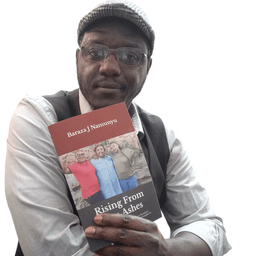

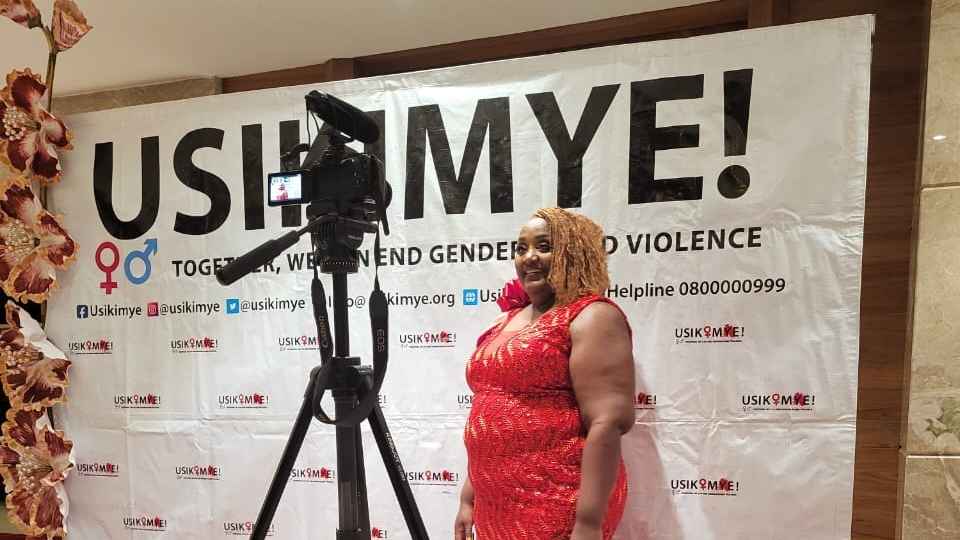
Photo Credit: Njeri Wa Migwi, Facebook
"Beyond emergency response, the organization runs several long-term programs that empower individuals and communities."
Introduction
Njeri wa Migwi, a Kenyan intersectional feminist and human rights defender, has become a formidable force in the fight against gender-based violence (GBV). With a digital following of over 80,000 people, she has used her voice and platform to advocate for the rights of women and children across Kenya. At the heart of her activism lies Usikimye—a grassroots organisation she founded to provide refuge, support, and empowerment for survivors of violence. But Usikimye is more than a shelter; it is a movement that is reshaping the narrative around justice, healing, and community.
Usikimye: More Than a Shelter
Since its inception, Usikimye has grown from a small, personal initiative into a nationally recognised organisation. While it began as a safe haven for women fleeing abuse, it has evolved into a comprehensive support system that addresses both the symptoms and root causes of GBV. Under Njeri’s leadership, Usikimye has become a transformative force—responding to crises, advocating for policy change, and educating communities. The organisation’s mission is clear: to break the silence surrounding violence, to support survivors in reclaiming their lives, and to build a society where justice and dignity are accessible to all.
Programs That Drive Change
Usikimye’s strength lies in its multifaceted approach. Beyond emergency response, the organisation runs several long-term programs that empower individuals and communities.
Femicide Accountability and Community Empowerment (FACE)
The FACE initiative was launched in response to the disturbing rise in femicide cases across Kenya. Many of these cases go unreported or unresolved, leaving families without justice and communities without closure. FACE aims to change that.
Through this program, Usikimye:
- Documents and tracks femicide cases to create a public record.
- Supports affected families with legal aid and counselling.
- Advocates for femicide to be recognised as a distinct crime under Kenyan law.
FACE is not just about justice for victims—it’s about changing the systems that allow such violence to persist. It calls for accountability, transparency, and reform.
Watoto Washibe (Let the Children Eat)
Recognising the link between poverty and vulnerability, Usikimye launched Watoto Washibe, a child-focused program that addresses food insecurity and educational inequality. The program ensures that children in underserved communities have access to basic needs and opportunities for growth.
Watoto Washibe provides:
- Nutritious meals to children at risk of hunger.
- School supplies and uniforms to remove barriers to education.
- Mentorship and psychosocial support to build resilience and self-worth.
- By investing in children, Usikimye is breaking cycles of poverty and violence before they begin.
Digital Advocacy
Njeri wa Migwi has turned social media into a powerful tool for justice. Her digital platforms serve as lifelines for survivors and as educational spaces for the public.
Through digital advocacy, Usikimye:
- Responds to distress calls from survivors via direct messages.
- Mobilises rapid community support for rescues and interventions.
- Educates followers on consent, legal rights, and survivor support.
This approach has made Usikimye accessible to people across Kenya, especially in areas where formal support systems are lacking. It also allows the organisation to act quickly and publicly, putting pressure on institutions to respond.
A Movement of Hope, Healing, and Justice
What sets Usikimye apart is its unwavering commitment to dignity and empowerment. Survivors are not treated as victims but as individuals with agency and potential. The organisation’s trauma-informed, feminist approach ensures that every person who walks through its doors is met with compassion, respect, and the tools to rebuild their life. Usikimye also works to shift cultural norms that perpetuate violence. Through community outreach, public forums, and national campaigns, it challenges harmful beliefs and promotes a culture of accountability and care.
Lessons to Learn
Njeri wa Migwi’s journey and the work of Usikimye offer powerful lessons for individuals, communities, and institutions alike.
1. Empowerment Goes Beyond Rescue
True empowerment involves addressing the root causes of violence and inequality. Usikimye’s programs are designed not just to respond to crises but to prevent them.
2. Visibility Drives Accountability
By documenting femicide and sharing survivor stories, Usikimye brings hidden issues into the public eye. This visibility is essential for justice and reform.
3. Children Are the Future
Investing in children’s well-being is one of the most effective ways to build safer, more equitable communities. Watoto Washibe ensures that no child is left behind.
4. Technology Can Be a Lifeline
Digital platforms, when used responsibly, can connect people to resources, amplify marginalised voices, and mobilise communities for action.
5. One Voice Can Spark a Movement
Njeri’s story proves that change often begins with one person’s decision to speak out. Her courage has inspired thousands and created a ripple effect of transformation.
Reflection
Usikimye is more than a shelter—it is a movement of hope, healing, and justice. Under Njeri wa Migwi’s leadership, the organisation has grown into a transformative force that not only responds to violence but actively works to prevent it. Through programs like FACE, Watoto Washibe, and digital advocacy, Usikimye is building a future where survivors are empowered, children are protected, and communities are educated and engaged. Njeri’s journey reminds us that real change begins with bold ideas and compassionate action. Her work teaches us that silence is not an option, and that justice requires both courage and community. In a world where too many suffer in silence, Usikimye stands as a powerful reminder that one voice—when raised with purpose—can echo into a movement that transforms lives.
- Human Rights
- Education
- Girl Power
- Gender-based Violence
- Survivor Stories
- Moments of Hope
- Global