
Violence against women in PNG
Jun 9, 2025
story
Seeking
Collaboration

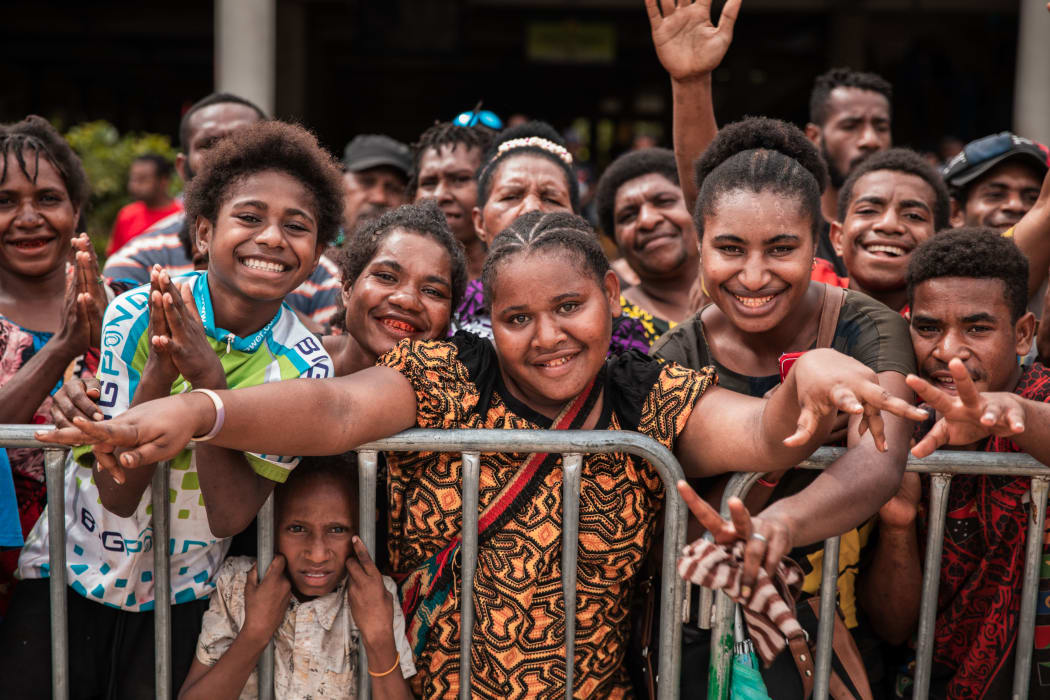
Picture courtesy: RNZ
Violence against women is a significant rising issue in many countries worldwide, and PNG is no exception; it requires attention and solutions. The United Nations General Assembly 1993 defined violence against women as any act of gender-based violence that results in or is likely to result in, physical, sexual, or mental harm or suffering of women. Women experience violence in different forms, namely physical violence, emotional violence, physiological violence, and social violence (Hermkens et al, 2022). The negative impacts of violence against women negatively affect the general well-being and prevent women from fully participating in society. Women were always seen in society as vulnerable, and every year, thousands of women across the country suffer silently from this brutal act. Many were victims and lost their lives. Even though the government and NGOs have implemented several initiatives to address this issue, it still prevails in the
In Papua New Guinea, a woman is beaten every 30 seconds, and more than 1.5 million people experience gender-based violence in the country yearly (Human Rights Watch, n.d). Gender-based violence is caused by not a single factor but several contributing factors. These factors include sorcery-related cultural practices, a weak law and order system, and the influence of technology. In the Highlands regions of Papua New Guinea, accusations of sorcery are often used as justification to punish women, leading to brutal attacks on women. Furthermore, cultural practices such as the big man often view women with lower statuses in society, making them vulnerable to violence. The practice of bride price payment, in the past was seen as a tradition. Today, it has changed, giving power to men to own their wives, leading to control and abuse. Many cases of domestic violence are overlooked due to a lack of evidence, weak law enforcement, and societal acceptance. The Human Rights Watch reported in 2020, 15,444 cases of domestic violence were reported, but only 250 people were prosecuted and fewer than 100 people were convicted.
Gender-based violence not only affects women but also their children, families, and communities. These effects include physical, psychological, and social well-being of the victims. The harms done by gender-based violence continue to damage the physical and mental health of women across the country who live with permanent injuries and scars, both seen and unseen (Amnesty International, 2006). Children raised in homes where women are abused are also victims of psychological violence. They may form impressions that such behavior is normal, and they might practice it within and outside of their home. As stated by the United Nations Women, the negative impacts of violence are not experienced by women involved, only it also impacts their families, and the country as well. Gender-based violence against women cripples women from fully participating in the development of this n
Gender inequality is the root cause of violence against women. in Papua New Guinea. It has been an evolving issue in PNG over the years. Factors such as sorcery, cultural norms and practices, and a weak law and order system in the country have contributed to the high rate of violence against women in PNG. The harm done by violence not only affected the women involved but also affected children and the community. Whether it be physical, mental, or social, women lived with these injuries of violence, both seen and unseen. If the government wanted to fight against this issue, it would need to implement or enforce the existing laws, make reforms, and fund community projects dealing with victims of violence.
Thank you for your time in reading my article and I would really appreciate feedbacks from you all about some of my articles I posted in my blog.
My blog: Melanesian voice
Link: https://melvoice.blogspot.com
- Gender-based Violence
- Global