
What's desirable about this one?
Jun 26, 2019
first-story
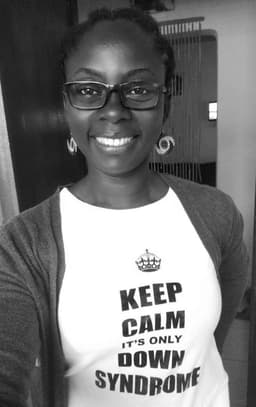
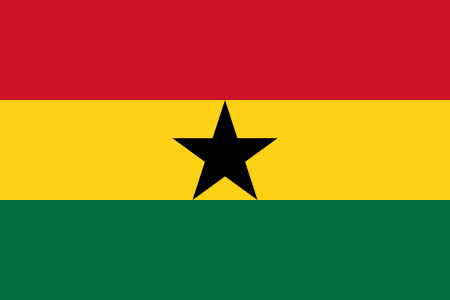
There may be gaps between the able and disabled populations in countries across the world. But in my home country, Ghana, this gap is clear, especially in the areas of access to information, health and education.
Early 2015, I was working on a project in one of the municipalities of the Eastern Region of Ghana. This project required for us to engage and work with health workers at the primary health care delivery level (from the District hospital to the Community-based Health Planning Services (CHPS) levels). On this particular day that i'm writing about now, we had a meeting with a group of nurses (Community Health Nurses, Midwives, Registered General Nurses, etc). The venue of our meeting was the waiting area of the Reproductive Health unit of the hospital. Just when we had finished with all the niceties and introductions to get into the day's agenda, two women walked into the waiting area looking for one of the midwives we were working with. Allow me to describe these women - the older looking one, looked quite upset with worry written all over her face and yet her words when she spoke, sounded almost apologetic! The older looking lady ( I cannot guess her age), is a person with Down syndrome, she looked scared and shy. We excused this nurse to attend to them.
We continued the meeting and the nurse joined us later when her clients left. When she sat down, her colleague sitting by her asked if all was well. She said yes but she is embarrassed for the men, loud enough for all of us to hear. Of course there was a man among us, so her colleagues tried to shush her but she appeared so 'enraged' that she just continued. 'How can anyone rape a person like that, what is so desirable about a 'mongo''? - This nurse was enraged that someone found this poor lady with Down syndrome attractive enough that they could not control themselves and had to rape her! Which 'pervert' will target a 'mongo' for their sexual gratification? I wasn't sure which was making her upset, the fact that a girl had been raped by a man, or that the girl raped was someone with Down syndrome or 'mongo' as she chose to refer to her? I was conflicted as I listened to her narrative and the ensuing comments......let's just say we managed to 'calm' her and continue with the meeting.
My issues with the above......
Apparently, the young lady got pregnant as a result of the rape and the mother brought her to the hospital to seek advice and care, knowing what she does about her child, I understood the worry I saw on her face. She suspected pregnancy when her daughter started having what looked like morning sickness and she thought to bring her to the hospital. Is she blaming herself for not protecting her daughter from the predator of a man who raped her? Is she imagining the trauma her daughter might have gone through? But as a mother, did she even know she could have accessed contraceptive care for her child, and if she did, did she know which facilities to go to in order to receive dignified service? What informed choice and decision can she make right now on behalf of her daughter? How does she explain the expected changes to her beloved daughter's body to her?
Does the 'enraged' nurse know she had breached the confidentiality code by just sharing the unsolicited details of this client/family with us? In her 'rage', did she provide comprehensive and targeted care to this family? Did she even know that in her 'rage', she objectified this scared young lady? How was she going to support and empower the mother to support her daughter should they decide to go ahead with the pregnancy? What other services will she recommend for this family, eg: psycho-social counselling and support? If we take out the issue of rape, did this nurse know that this young lady with Down syndrome is a sexual being, that she has the same feelings and desires that you and I have? That she has every right to want have a sexual expression (guided of course)? How much does this nurse and others like her really know about intellectual disabilities and how to care for the peculiar needs of those living with it and their families?
Me fellow country man and former Secretary General of the UN, the late Kofi Annan said, \"It is my aspiration that health will finally be seen not as a blessing to be wished for, but as a human right to be fought for.” Who is fighting for the health needs of this marginalized population around the world? In Ghana, when we mention disabilities, everybody thinks about the physically challenged, the hearing and speech impaired and the visually challenged persons. So individuals living with intellectual disabilities like Down syndrome, as in the case of this young lady, are the marginalized of the marginalized population of persons with disabilities.
Health is a human right and access to healthcare services and information is a right that must be upheld by everyone. We can't continue to fail this population. Do I blame this nurse? I don't really know because she is a product of the 'system' - how proactive are our governments to the needs of persons with disabilities? But I know probably she could have handled (the situation) herself better with the issue she was confronted with.
As we mark this important day on 28 May 2019, tell me what you are doing or can do to improve the reproductive health of individuals with intellectual disabilities.
- Girl Power
- Health
- Gender-based Violence
- First Story
- Salud menstrual
- Africa