
When My Widowed Mom Passed Away
Jan 22, 2026
story
Seeking
Connections


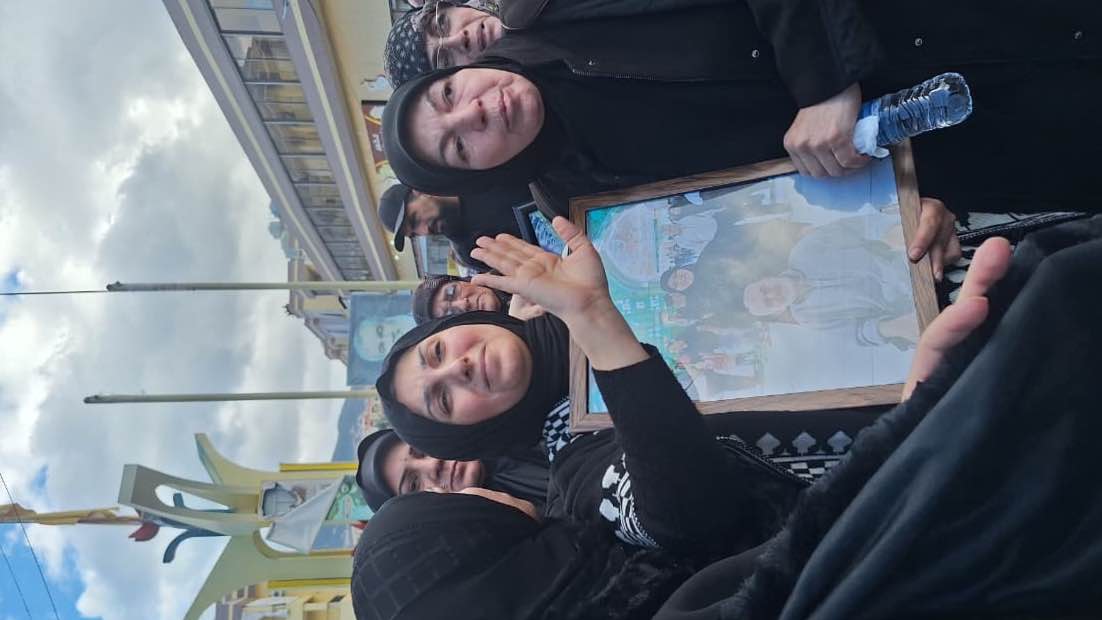
When My Mother Died, the World Went Quiet — and Then It Spoke
When my mother died, the world did not end the way I imagined it would.
There was no loud collapse, no dramatic moment dividing before and after.
There was silence — a heavy, unfamiliar silence that settled in my chest and refused to leave.
My mother was not only my parent; she was my first teacher, my quiet strength, my moral compass. She carried our family through hardship with patience and dignity, never asking for recognition, never raising her voice beyond what was necessary. From her, I learned how to endure without becoming bitter, how to love without conditions, and how to stand firm without cruelty.
When illness took her away, it did not only take a person. It took a sense of safety. I found myself grieving not just her absence, but the version of myself that existed when she was still alive — the one who believed she could always return home and be held by certainty.
In our region, women are often taught to be strong for others. We are taught to suppress grief, to return quickly to responsibility, to carry loss silently so the world can keep moving. I tried to do that. I returned to work. I answered messages. I thanked people for their condolences. I smiled when expected.
But grief does not disappear because it is ignored.
It waits.
And then it asks to be heard.
In the days following my mother’s death, I realized something deeply unsettling and deeply human: we are not prepared to hold space for mourning — especially for women. We are expected to be resilient without rest, faithful without breaking, productive without pause.
What saved me was not advice or platitudes.
What saved me was listening — truly listening — to myself.
I allowed the tears to come without apology. I allowed the questions without demanding answers. I allowed myself to say, “I am not okay today,” and let that be enough. In doing so, I discovered that grief is not the opposite of strength; it is evidence of love.
My mother’s death changed the way I see the world, but it did not destroy my purpose. Instead, it sharpened it. I now understand more clearly why women need spaces where their pain is not minimized, where their voices are not rushed, and where their stories are not edited to make others comfortable.
I share this story not because my loss is unique, but because it is painfully common. Women everywhere are grieving — mothers, daughters, sisters — while continuing to hold families, communities, and movements together.
And before I close, I want to say something I did not know I would one day need to say.
If your mother is still alive, please take care of her.
Not only in practical ways, but in the quiet ones.
Listen to her when she repeats the same story.
Sit with her without rushing.
Hold her hand even when there is nothing to say.
Forgive what can still be forgiven.
Say the words you assume there will always be time to say.
Because one day, time will not ask for permission before it leaves.
I loved my mother deeply, yet there are moments I wish I had lingered longer, listened more slowly, stayed one more minute. Grief teaches us too late what presence could have taught us earlier.
If this story reaches even one person while their mother is still here, let it be a reminder — not of fear, but of tenderness.
Take care of your mother.
One day, you may carry her absence the way I carry mine now — with love, longing, and gratitude for every moment you did not miss.
My mother is gone, but her lessons remain. In honoring her, I choose to live — not by silencing my grief, but by transforming it into compassion, presence, and truth.
This is how I keep her alive.
This is how I move forward.
- Peace & Security
- Education
- Girl Power
- Shout Your Vision
- Moments of Hope
- Global