
Why is it wrong for children to speak up?
Apr 11, 2025
story
Seeking
Encouragement

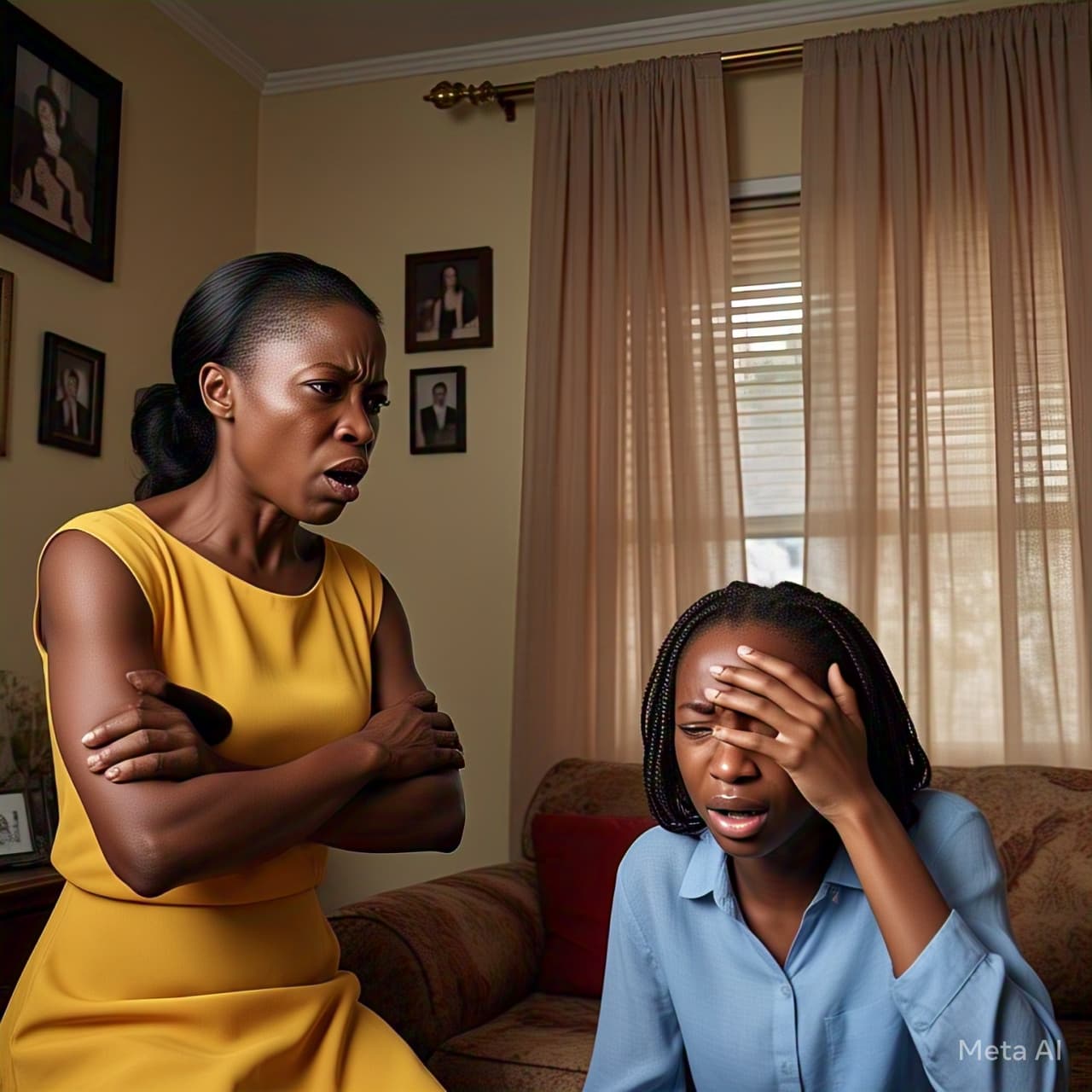
This behavior—or is it the culture?—of African parents doesn’t just nag me; it disgusts me. Why is it wrong for children to express their feelings? Why do parents assume they’re always doing right by their kids? Why is there this assumption that children can’t be hurt by their parents? I traveled recently with a mother who was on a call, complaining to someone about how one of her children had changed, become so evil. Why? Because the girl told her mother how she was hurting her by spreading lies. I could tell the mother was in pain, carrying the weight of not being on good terms with her daughter, but too proud to admit she was wrong and her child was right to speak up. She ended the call saying if the girl doesn’t call or return, she’ll keep having nothing to do with her. That should be shameful, even inhumane.
African parents have cursed their children for speaking out about what hurts them. They’ve been, in some cases, the cause of suicides and mental breakdowns for so many young people. This narcissistic behavior—especially from mothers—where they keep reminding kids about carrying them for nine months, feeding them, taking care of them, has nothing to do with what these young people are going through. Stop shutting down your children. Culture has made these parents act like they’re second only to God, but trust me, your kids will break free from you and your toxicity, and they’ll keep prospering. Support your children, encourage them to speak up with respect, and make it better.
I can’t shake that mother’s voice, her dismissal of her daughter’s pain. The girl wasn’t evil for calling out lies—she was brave, hurting, and honest. Yet her mother, too proud to face her own wrongs, chose to cut her off rather than listen. It’s not just her—it’s a pattern. Parents act like their kids’ feelings are an attack, like expressing pain is disrespect. But why? A child saying “you’re hurting me” isn’t rebellion; it’s a plea. Shutting it down doesn’t make you strong—it breaks trust, it wounds. Those wounds pile up, and for some, they’re too heavy. I’ve seen it, heard it: young people crumbling under the weight of parents who won’t hear them, some even lost to despair. That’s not culture—that’s cruelty.
And this idea that parents are always right? It’s nonsense. Just because you’ve sacrificed, struggled, provided, doesn’t mean you can’t hurt your child. The mother I heard wasn’t perfect—she spread lies, and her daughter called it out. But instead of owning it, she turned her child into the villain. Parents act like their hardships make them untouchable, like their kids owe them silence for every meal or school fee. That’s not love; it’s a chain. Admitting you’re wrong doesn’t undo your sacrifices—it shows you’re human. Why is that so hard?
Then there’s this belief that kids can’t be hurt by their parents. How? Words cut, lies betray, dismissal crushes. Yet so many parents act like their kids’ pain is nothing, like emotional scars don’t count. They’ll say it’s discipline, it’s tough love, it’s “for your own good.” But what good is it when a child feels worthless because their truth is cursed? That mother’s daughter wasn’t just hurt—she was pushed away, labeled evil for daring to speak. That kind of rejection doesn’t build resilience; it breaks spirits. And when young people spiral, when they lose themselves to mental struggles or worse, parents need to look in the mirror. Your hands aren’t always clean.
The way parents—mothers especially—throw around “I carried you for nine months” like it’s a trump card makes my blood boil. Yes, you did. Yes, you fed them, clothed them, raised them. But that’s not a free pass to hurt them. It’s not a reason to shut them up when they’re drowning in pain. That line has nothing to do with what your child is feeling now—their struggles, their fears, their need to be heard. Stop using it to guilt them into silence. Your job isn’t done because you provided; it’s ongoing, and it includes listening, even when it stings.
Culture’s got a grip here, no doubt. It’s drilled into African parents that they’re above questioning, that respect means kids stay quiet no matter what. But that’s not respect—it’s control. And it’s failing. Kids aren’t extensions of you; they’re people, with their own hearts and hurts. Curse them, shame them, and they’ll still rise—they’re breaking free already. I’ve seen it: young people thriving despite the toxicity, building lives beyond the weight of their parents’ pride. But it shouldn’t have to be like that. They shouldn’t have to choose between their peace and their family.
So, parents, stop. Stop shutting down your children. Encourage them to speak, to share their pain with respect, and when they do, don’t lash out—listen.
- Human Rights
- Gender-based Violence
- Youth
- Global