
Women navigating the Justice System
Jan 22, 2025
story
Seeking
Connections


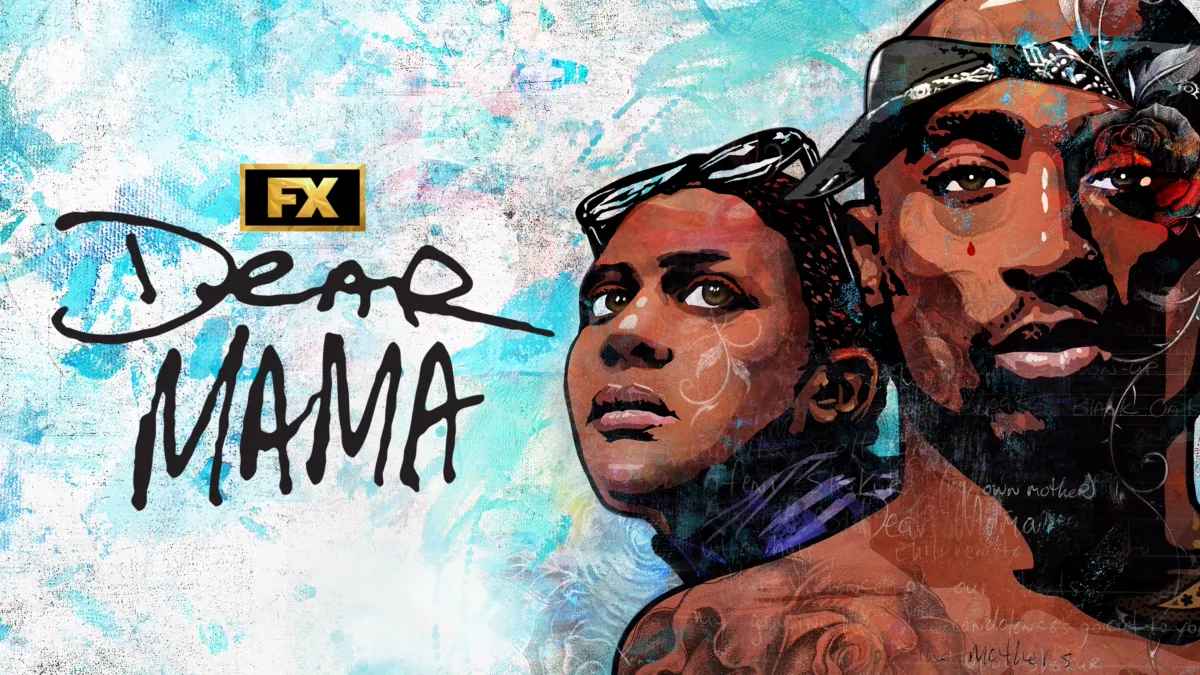
"What are the many ways we are betrayed by systems?" is how I opened my morning (journal) pages today. I've just watched the layered and harrowing documentary on Afena Shakur, told through the life of her son, Tupac Amaru Shakur.
One of the remarkable takeaways was 1969, when Afeni, alongside twelve other Black Panthers, was indicted on charges of attempted murder, arson, and bombing. Then she did something amazing - she decided to legally represent herself. Afeni did not have a law degree, or any degree, but everyone commented on her brilliant mind. In May 1971, she and her co-accused were acquitted of all changes. One month later, she birthed a healthy baby boy. She was 23-years old.
This telling of Afeni's journey through the justice system stood out for me because one of the key aspects of gender-based violence and gender justice that I tried to highlight through The Womxn Show was womens' journeys through court, often representing themselves. We - because I have been one of them - are a largely invisible group.
Women go to court for many reasons: divorce, child maintenance, protection orders, child protection and, as we are all well aware, sexual assault and rape. Mostly, what we aren't aware of is how long these cases take, with multiple postponements, court dates and costs. Sometimes up to five years.
In January 2022, the Western Cape High Court handed down a guilty judgement in the first private prosecution in South Africa for the murder of Rochelle Naidoo. Their legal council, Advocate Gideon Scheltema, wrote a book about the legal journey titled 'Justice Delayed'. In the foreward, he wrote: "Justice Delayed is the story of Sara Asmall who became the first mother in South Africa to institute a private prosecution for the murder of her daughter on 28 June 2005."
What I remember most about this book is that in order to proceed with the private prosecution, Mrs Asmall had to fly to Cape Town for every court process, and she did, over a period of seven years before judgement was handed down. "She is the story," wrote Gideon.
But court processes - even victories - are a bit like funerals. You run on adrenalin and only feel the effects of injustice after the fact. Even though they had been successful in the end, Afeni says, "...that my life had been so devastated, I really didn't know how to get it back on track."
Professor Jamal Joseph, producer of the documentary, follows with: "Colonial warfare (and) mental disorder. The acquittal of the Panther 21 was a true highlight before a fall into struggle, depression, disorientation."
It feels ironic - to me - that these thoughts come as the new US President signs an executive order declaring only two legal genders in the US, amongst other things. I suspect many social justice actors will be heading to court soon to regain and protect hard-won rights to safety, identity and self-determination. My thoughts and prayers are with you. Aluta Continua - The struggle continues...
*My name is Lenina Rassool. I am a writer, journalist, workshop facilitator, speaker and have spent the past five years producing and presenting The Womxn Show on Cape Town TV, funded by the Ford Foundation. Please feel free to reach out for writing or production queries or work. See https://lnkd.in/d3zn6EXH to read / view some of my work."What are the many ways we are betrayed by systems?" is how I opened my morning (journal) pages today. I've just watched the layered and harrowing documentary on Afena Shakur, told through the life of her son, Tupac Amaru Shakur.
- Human Rights
- Leadership
- Gender-based Violence
- Girl Power
- Global