
Youth Empowerment Through Creative Arts: Launching After-School Programs for Underprivileg
Nov 22, 2024
initiative
Seeking
Feedback


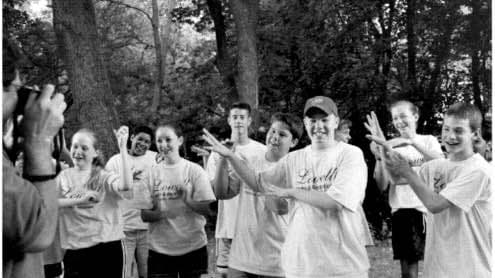
The transformative power of the arts is undeniable. Throughout history, art forms such as music, dance, theater, and visual arts have provided individuals with not just a means of self-expression but also a powerful tool for personal growth and community impact. For underprivileged youth, access to creative outlets can be a life-changing experience, one that fosters self-confidence, critical thinking, emotional intelligence, and leadership skills. By introducing after-school programs focused on creative arts, we have an opportunity to engage young people in positive, enriching activities that will build resilience, social responsibility, and a sense of purpose.
#The Need for Youth Empowerment
In many underserved communities, young people face significant barriers to success. Limited access to quality education, economic hardships, and exposure to negative influences such as crime and substance abuse can create an environment where hope and opportunity seem out of reach. For these youth, the challenges are compounded by a lack of constructive outlets to express emotions or develop new skills.
This is where after-school programs can play a crucial role. They offer a safe, supportive environment where young people can not only engage in creative pursuits but also build relationships, explore their interests, and discover their potential. Creative arts are particularly effective in this context because they allow individuals to process complex emotions, challenge their creativity, and express themselves in ways that words alone often cannot.
#The Power of Creative Arts
Creative arts provide a multifaceted approach to personal development. Each art form offers unique benefits that contribute to building self-esteem, confidence, and critical life skills. Here’s how:
1. Music
Music has a profound impact on cognitive development, improving skills such as memory, attention, and problem-solving. Learning an instrument or participating in a group ensemble teaches discipline, collaboration, and perseverance. Music also provides an emotional outlet, helping young people to process their feelings in healthy ways. Research has shown that exposure to music education can improve academic performance, enhance concentration, and promote emotional well-being. For youth in underserved communities, music can serve as both a creative escape and a source of empowerment.
2. Art
Visual arts, including painting, drawing, sculpture, and photography, offer young people a chance to express their innermost thoughts and feelings through imagery. Art encourages patience, fine motor skills, and the ability to think abstractly. It also helps build self-confidence as youth see the fruits of their labor come to life on canvas or through other media. The creative process allows them to experiment with new ideas, confront challenges, and overcome frustrations. Moreover, art often serves as a form of storytelling, enabling youth to communicate experiences that words may fail to capture.
3. Dance
Dance provides a unique combination of physical movement and creative expression. It enhances physical coordination, motor skills, and body awareness. Dance also encourages emotional expression, as young people can channel their feelings into movement. Group dance activities promote teamwork, communication, and mutual support, while solo dance routines can build individual confidence and self-discipline. Furthermore, dance helps develop leadership skills by encouraging young people to take initiative and assume responsibility within a group dynamic.
4. Theater
Theater arts have long been recognized for their ability to promote empathy, self-awareness, and communication skills. Through acting, young people gain confidence in their ability to perform in front of an audience, and they learn how to collaborate with others in a creative process. Theater also provides a safe space for youth to explore complex emotions and social issues, developing a deeper understanding of the world around them. Public speaking skills, problem-solving, and critical thinking are just a few of the competencies that youth gain through theater-based programs.
#Benefits of After-School Programs
After-school programs focused on creative arts not only keep young people engaged and safe after school but also provide them with essential skills that can help them succeed in both their academic and personal lives. Here are several key benefits of these programs:
1. Academic Improvement
Studies have shown that students who participate in arts programs perform better in school. They are more likely to attend school regularly, achieve higher grades, and score better on standardized tests. Creative arts programs foster problem-solving skills, critical thinking, and creativity—attributes that directly contribute to academic success. Moreover, arts participation can increase motivation and engagement in other subjects, as students find ways to connect their artistic experiences to the broader curriculum.
2. Social and Emotional Development
Creative arts programs provide an important space for emotional exploration. In environments where young people may face stress, trauma, or instability, artistic activities allow for emotional release and self-discovery. Engaging in arts also builds empathy, as participants learn to understand and relate to others’ emotions and experiences. Group activities like ensemble music or theater foster teamwork, collaboration, and communication, all of which are critical to building positive social relationships.
3. Boosting Confidence and Self-Esteem
One of the most powerful outcomes of youth involvement in the arts is the boost in self-confidence. As young people work to develop their artistic talents, they experience a sense of achievement and personal growth. The act of creating something meaningful and sharing it with others—whether through a performance, art show, or exhibition—validates their abilities and strengthens their belief in their potential. This increased self-esteem often translates into other areas of life, including school and personal relationships.
4.Reducing Risky Behavior
After-school programs that provide constructive, engaging activities have been shown to reduce risky behaviors, including substance abuse, gang involvement, and early sexual activity. The structured environment and positive peer interactions found in creative arts programs can serve as a protective factor against negative influences. Engaging in art and creative expression provides an alternative to the pressures that may exist in the community or at home, offering youth a path toward self-improvement and growth.
5. Leadership and Entrepreneurial Skills
The skills that young people develop through the arts—problem-solving, communication, innovation, and collaboration—are all critical for leadership and entrepreneurship. Through group performances, exhibitions, or community projects, youth learn how to manage projects, work with diverse teams, and navigate complex social dynamics. These experiences not only prepare them for future leadership roles but also provide them with the tools to become proactive members of their communities, with the confidence to pursue their own creative and professional ventures.
# Designing an Effective After-School Program
To maximize the impact of creative arts programs, it is essential to design initiatives that are inclusive, engaging, and tailored to the specific needs of the target community. The following elements are critical in developing a successful program:
1. Access and Inclusion
Programs should be accessible to all youth, regardless of their socioeconomic background. This may involve offering scholarships, providing transportation, or working with local schools and community centers to ensure that participation is not limited by financial constraints. Inclusivity also means ensuring that programs are designed to accommodate youth with diverse abilities and interests.
2. Qualified Instructors
Programs should be led by experienced and passionate instructors who not only have technical expertise but also a genuine commitment to working with young people. Educators should be skilled in fostering creativity, encouraging self-expression, and creating a safe, supportive learning environment.
3. Community Engagement
It’s essential to involve the community in the development and ongoing support of the program. Parents, local businesses, and community leaders can contribute in various ways, from volunteering and mentoring to providing financial or material support. Engaging the community ensures that the program is relevant, sustainable, and well-supported.
4. Celebrating Success
Regular exhibitions, performances, or public showcases are vital for celebrating the achievements of participants. These events offer youth the opportunity to demonstrate their talents, share their work, and gain public recognition for their efforts. Celebrating success reinforces a sense of pride and accomplishment, motivating participants to continue developing their creative skills.
# Conclusion
Launching after-school creative arts programs for underprivileged youth is a powerful way to empower young people, providing them with the tools they need to succeed both personally and academically. By offering access to music, dance, art, and theater, these programs foster creativity, build self-confidence, and develop leadership skills that will serve youth throughout their lives. In communities facing significant challenges, these programs offer a pathway to personal growth, academic success, and positive social change. The arts not only provide a creative outlet but also offer young people the opportunity to transform their lives, to dream big, and to become the leaders of tomorrow.
- Africa